On the first chilly afternoon of fall, when the air leans crisp and home begs for something hearty, I’ll always crave the comfort of Rustic Irish Soda Bread with Caraway Seeds. There’s something about the scent of this bread—it fills the kitchen almost instantly, wrapping every corner in the aroma of toasted caraway and sweet, almost citrusy steam. This is the kind of recipe you turn to when you want bread in under an hour, but you don’t want to sacrifice any of the old-world charm or home-baked feel.
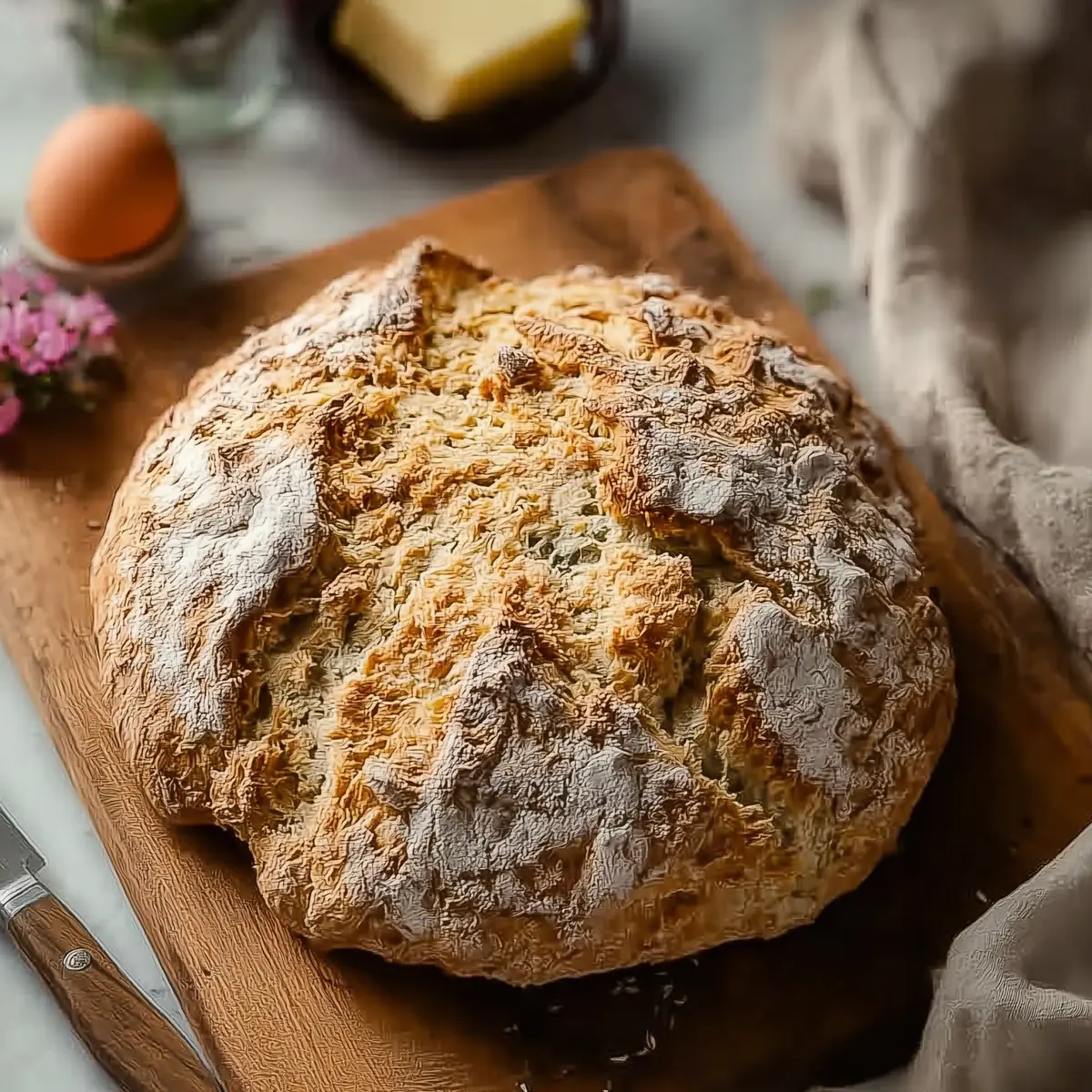
Every time I pull this soda bread from the oven, its crust is wild and rugged, caramelized in places where the butter has bubbled up through the dough. It crackles as it cools, practically daring you to slice in before it’s ready. The caraway seeds carry this signature fragrance, spicy and intriguing, and the hint of orange zest sneaks through, making each bite more interesting than the last. There’s no kneading marathon, no rising time, just honest ingredients coming together for pure, edible nostalgia.
When Soda Bread Steals the Spotlight
There’s a particular thrill in serving Rustic Irish Soda Bread with Caraway Seeds at a table crowded with stews, soups, and hungry hands. You watch it disappear—no knife stays idle for long. This loaf never apologizes for its ragged edges or that quick, dramatic bellied rise. Unlike a fussier yeast loaf, this bread is all about immediacy: the leap from mixing bowl to oven is literal minutes, not hours. Family and friends are always surprised by how homey, but distinct, it tastes—simple, rustic, and touched with something unexpected. That’s the bread’s real secret: it’s a centerpiece dressed down in work clothes, and nobody ever complains.
The Ingredients That Set This Loaf Apart
- Flour – the earthy backbone that gives the soda bread its satisfying chew; you can try swapping in a little whole wheat for deeper flavor, though all-purpose delivers the classic crumb.
- Sugar – just enough to highlight the bread’s richness without veering into dessert territory.
- Salt – rounds out all the flavors and brings the sweet and savory notes into balance.
- Baking soda – the leavening powerhouse; make sure it’s lump-free for an even rise and those iconic splits.
- Caraway seeds – deliver a peppery, aromatic punch that’s absolutely essential; skip them and you lose the soul of this bread.
- Butter – unsalted and cold, lending a richness and flakiness, especially along the bread’s darker crust.
- Buttermilk – gives a gentle tang and tenderizes the crumb; in a pinch, a mix of milk and vinegar can substitute, but real buttermilk brings it home.
- Orange zest – a surprise background note that makes each slice a little brighter, hinting at sweetness without ever going overboard.
See the recipe card below for the full list of ingredients and measurements.
Bringing Soda Bread Together: Mixing, Molding, and Baking
Let’s be honest—soda bread rewards the impatient. The dough is more like a cousin to scones than a sibling to yeasted breads, and it comes together in a blink. You want to move quick, but not frantic. This process is forgiving, but also a little wild, and it’s part of why I adore this recipe.
- Start by sifting the flour, baking soda, salt, and sugar together into a roomy bowl. Sifting feels optional, but I swear it makes a difference in how the crumb bakes up—no random pockets of soda keeping you on your toes later.
- Drop in the cold, diced butter and use your fingertips (or a pastry blender, if you must be civilized) to rub it through until the mixture is full of uneven, coarse crumbs. Bigger chunks here and there are what give that signature flaky bite along the crust.
- Mix in the caraway seeds and fresh orange zest so they’ll be speckled through every slice. The kitchen will already start to smell like a bakery at this point—rich, spicy, and faintly floral.
- Make a shallow well and pour in the cool buttermilk. Now switch to a wooden spoon or even your hands, gently turning the dough just enough so everything is moistened and clings together. Don’t overwork it—you want rough, not sleek. If it’s dry, a splash more buttermilk rescues everything.
- Flour your counter and tip the dough out, coaxing it into a rough ball. Press down to flatten slightly and pat the edges into a rustic round loaf, leaving it about the height of your hand.
- Transfer to a lined baking sheet. Using a floured knife, slash a deep cross in the center—this isn’t just ceremony; it helps the bread rise and bake evenly.
- Bake in a hot oven until the crust is deeply golden and the bottom sounds hollow when tapped. If you can stand to wait, let it cool for fifteen minutes so the center settles before slicing.
What Soda Bread Feels Like Warm from the Oven
There’s a special kind of steam that hisses out as you break this Rustic Irish Soda Bread with Caraway Seeds open—it smells nutty, spiced, and carries a faint citrus spark. The crust shatters, giving way to a dense, pillowy crumb that’s never stodgy. The butter makes the outer layer almost pastry-like near the crevices, and the caraway’s bittersweet sharpness runs right through every mouthful. Each bite is as close to “fresh from the hearth” as modern kitchens get: warm, inviting, and sturdy enough to hold a thick smear of butter (with a little salty drip on your fingers).
Little Details That Set Your Soda Bread Apart
- Don’t worry if your dough looks shaggy or slightly sticky—that’s the hallmark of true soda bread, not a flaw. Overworking it just robs the loaf of all the airiness you want.
- If buttermilk’s missing from your fridge, stir a splash of vinegar or lemon juice into regular milk, let it sit for a few minutes, and use that. The tang is important.
- Want a softer crust? Cover the loaf with a clean tea towel as it cools.
- Love a little extra bite? Try tossing in a handful of golden raisins or chopped walnuts for a variation that feels like a tea room treat.
- This bread is best on day one, but it bounces back when lightly toasted or warmed in the oven if you have leftovers.
- Always use a serrated knife, especially when the crust is fresh—the inside stays cuddly, while the exterior yields nicely.
Serving Soda Bread for Every Occasion
Serve thick slices alongside a bubbling pot of stew or as the trusty sidekick to soup on a rainy evening. I’ve set this Rustic Irish Soda Bread with Caraway Seeds at brunch tables, too, where it takes well to a swipe of soft butter and honey. If you want a high-impact snack, try it with sharp cheddar, or dunked into olive oil and cracked pepper for a fusion twist. At family gatherings, tearing off hunks while the loaf is still warm wins every time—no plates required. If you’re feeling sentimental, wrap up chunks in wax paper and tuck them into a picnic basket for that countryside vibe, no matter where you actually are.
FAQs about Rustic Irish Soda Bread with Caraway Seeds
How should I store Rustic Irish Soda Bread with Caraway Seeds?
Once completely cooled, keep the loaf wrapped in a clean kitchen towel or parchment, tucked inside a bread box or paper bag at room temperature. Soda bread is best eaten within two days, but to extend freshness, you can freeze portions and re-toast as needed.
Can I substitute anything for the caraway seeds?
If caraway isn’t your thing, try fennel seeds for a bright, mildly sweet twist, or leave the seeds out entirely for a more traditional, plain soda bread. You can even add poppy or nigella seeds if you’re hankering for something a little offbeat.
Is it possible to freeze Rustic Irish Soda Bread with Caraway Seeds?
Yes, this bread freezes well. Cool it completely, then wrap tightly in plastic and foil. Defrost at room temperature and revive the crust with a quick trip to a hot oven for just a few minutes before serving.
What’s the best way to reheat slices without drying them out?
Reheat individual slices in a toaster or quick burst in the oven. For extra moisture, wrap slices in foil and warm at a low temperature; this keeps the inside soft as the crust stays crisp.
Every time I make this Rustic Irish Soda Bread with Caraway Seeds, I’m drawn in by how it transforms the kitchen with its aroma and brings everyone to the table, eager and a little impatient. The crackled crust, warm, fragrant crumb, and pockets of caraway are “once-a-year” special but easy enough to make anytime. Try it with soup, breakfast eggs, or just good butter, and let it bring that simple, old-world comfort to your day—no waiting or kneading marathon required.
More Tasty Ideas
- Irish Seafood Chowder: This hearty chowder complements the rustic flavors of soda bread, especially on a chilly evening.
- Irish Boxty with Sour Cream: Boxty is another comforting Irish dish that pairs beautifully with freshly baked soda bread.
- Irish Potato Cakes: These savory cakes are a fantastic companion to soda bread for a complete Irish-inspired meal.

Rustic Irish Soda Bread with Caraway Seeds - theamazingfood
Ingredients
Method
- Start by sifting the flour, baking soda, salt, and sugar together into a roomy bowl. Sifting feels optional, but I swear it makes a difference in how the crumb bakes up—no random pockets of soda keeping you on your toes later.
- Drop in the cold, diced butter and use your fingertips (or a pastry blender, if you must be civilized) to rub it through until the mixture is full of uneven, coarse crumbs. Bigger chunks here and there are what give that signature flaky bite along the crust.
- Mix in the caraway seeds and fresh orange zest so they’ll be speckled through every slice. The kitchen will already start to smell like a bakery at this point—rich, spicy, and faintly floral.
- Make a shallow well and pour in the cool buttermilk. Now switch to a wooden spoon or even your hands, gently turning the dough just enough so everything is moistened and clings together. Don’t overwork it—you want rough, not sleek. If it’s dry, a splash more buttermilk rescues everything.
- Flour your counter and tip the dough out, coaxing it into a rough ball. Press down to flatten slightly and pat the edges into a rustic round loaf, leaving it about the height of your hand.
- Transfer to a lined baking sheet. Using a floured knife, slash a deep cross in the center—this isn’t just ceremony; it helps the bread rise and bake evenly.
- Bake in a hot oven until the crust is deeply golden and the bottom sounds hollow when tapped. If you can stand to wait, let it cool for fifteen minutes so the center settles before slicing.