You know comfort food when you taste it. It’s that first spoonful of buttery mash that makes you want to loosen your shoulders, let out a sigh, and settle in. Colcannon does that every single time for me. Whenever I’m standing in my kitchen, potatoes boiling away and the steam carrying those grassy hints from fresh cabbage and leeks, the whole place just feels warmer—like someone piled an extra blanket onto the house.
Colcannon isn’t just food; it’s a little Irish magic. Creamy, fluffy, and just a touch rustic, it turns basic ingredients into something that feels like a hug on the plate. I love making it on grey days, or when I want a side dish that’s as inviting as it is earthy. The play of tender potatoes with pockets of sweet, sautéed leeks and buttery cabbage—there’s nothing else quite like it. And the best part? It’s unfussy enough for a weeknight, yet special enough to hold its own at any holiday table.
When Colcannon Steals the Show at Your Table
There’s something kind of theatrical about colcannon. Sure, it’s meant to be a side—but I dare you to serve it at a gathering and watch how everyone circles back for a second scoop. Its roots make it pure, but its charm lies in the details: the wafting aroma of sautéed leeks hitting hot butter, that earthy sweetness of cabbage melting seamlessly into pillowy mash, and the lush finish from a swirl of cream.
I always picture a cozy Irish kitchen: maybe a bit crowded, rain pattering against the window, family or friends gathered around and waiting for the cue to dig in. A steaming bowl of colcannon on the table, crisply garnished with a pat of butter or a sprinkle of extra scallions, promises something hearty and nourishing. The kind of dish that says, “Slow down, have another bite.”
The Ingredients That Bring Out That Colcannon Magic
Even the simplest colcannon relies on a handful of ingredients that can’t be hurried or skipped. They each bring their own character—layers of flavor, texture, color.
- Potatoes – the starchy heart of colcannon, responsible for its creamy, fluffy backbone; russet potatoes are classic, but any all-purpose spud works in a pinch.
- Cabbage – adds a mellow sweetness and tender bites; green cabbage is common, but savoy or even kale are fair substitutes if you like a grassier note.
- Leeks – offer depth and mild onion flavor; scallions can stand in, though leeks bring a just-sweet-enough aroma and silky texture once sautéed.
- Unsalted butter – brings the richness (and a slightly nutty scent when melted with the leeks and cabbage); salted will work, just adjust the final seasoning.
- Heavy cream – works its magic for velvety smoothness—milk or half-and-half will do if you need to lighten things up.
- Salt and freshly ground black pepper – crucial for making all the flavors shine; don’t be shy adjusting at the end.
See the recipe card below for the full list of ingredients and measurements.
Building That Hearty Irish Mash
Making colcannon isn’t fussy—if anything, it’s a bit meditative. You’ll spend most of the time toggling between the boil and the sizzle, with quick intervals where you get to watch everything come together.
- Start with your potatoes: let them tumble into a big pot, cover them with cold water, and bring the whole thing to a lively boil. Listen for the rattle and wait for that point where they break down at a gentle poke with a fork—soft, but never mushy. Drain well; the less water you leave behind, the more flavor you can draw in later.
- While the potatoes are bubbling away, get a skillet on medium heat and toss in a generous pat of butter. Add your chopped cabbage and sliced leeks. Don’t rush this—eight minutes or so, until everything is soft, gently browned, and your kitchen smells like a country field in late summer. This is where the sweetness enters the dish.
- With your potatoes drained, return them to the warm pot and mash them. If you don’t have a masher, a sturdy fork gets the job done. What you want: light, fluffy, no lumps. Gradually mix in the remaining butter, letting each chunk melt away before sending in the next piece. At this stage, the mash looks almost plain, but you’re building that deep, creamy flavor base.
- Stream in the warm heavy cream and stir everything gently—don’t overdo it. The mixture turns velvety, spoon-friendly, and should hold just a little shape. If it looks too stiff, a splash more cream will loosen things safely.
- Now the best part: fold the sautéed cabbage and leeks right in. Do this with a soft hand, so the color stays bright and the greens don’t disappear into the mash. By the end, you’ll have flecks of earthy green all through the buttery white—pretty and irresistible.
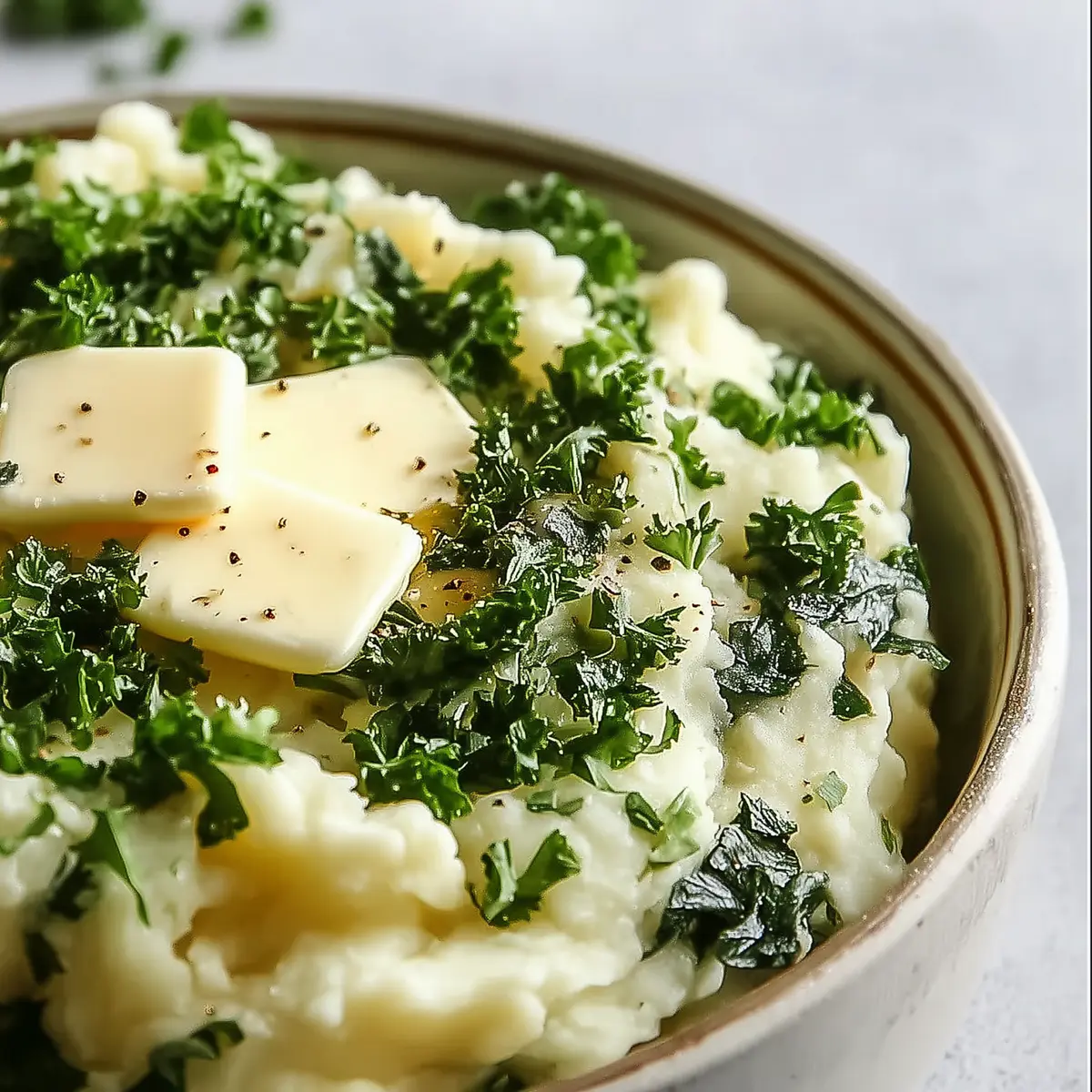
- Season generously with salt and black pepper. Taste, adjust, and taste again. If you like, finish with an extra sprinkle of scallions or a last pat of butter nestled into the steaming mash.
- Serve the colcannon while it’s hot, with billows of steam and maybe a swirl from your serving spoon. It’s best when eaten fresh, but there’s no shame in sneaking cold bites from the fridge the next morning.
Texture, Flavor, and Memorable Mouthfuls
Each mouthful of colcannon hums with comfort—there’s the cloudlike smoothness from the potatoes, a subtle pop and sweetness from the sautéed greens, and that ever-so-subtle richness from cream and butter. The leeks coat everything with a mellow, almost floral note, and the cabbage gives little tender bites that hold their own.
A good colcannon won’t be completely smooth—you want a few nubby bits of vegetable for interest, spots of green peeking through like spring in early March, and a buttery sheen clinging to every spoonful. The promise is in the texture: fluffy, full, never gluey, always satisfying. Even as a side, it feels like the main event. Sometimes I just pile it up in a bowl, add a fried egg or some sausages, and call it dinner.
Details That Make Colcannon Unforgettable
Colcannon rewards patience, but it doesn’t demand perfection. Here are a few reminders and tiny tricks that keep it special, whether you’re making it alongside a classic stew or just because you love spuds:
- Take time to fully drain the potatoes. Excess water is the nemesis of flavor here.
- If you don’t have leeks, scallions (spring onions) offer a sharper, greener bite. Kale or savoy cabbage work in place of standard green cabbage—let your cravings decide.
- Avoid over-mixing after the cream goes in. Mash just until everything comes together for airy, never gummy, results.
- Colcannon is forgiving—if you want to add crispy bacon, a handful of sharp Irish cheddar, or even swap in sweet potato for a twist, no traditionalist will stop you.
- Leftovers keep for a few days in the fridge—just reheat gently and maybe add a knob of butter or dash of cream to wake them up.
- For extra coziness, top with a little more butter before serving. The melting yellow pool will practically beg you to dig in.
Serving Colcannon to Make Any Meal Feel Special
Colcannon might have a humble soul, but it knows how to work a room. On St. Patrick’s Day, it’s the must-have next to corned beef or roasted lamb. In colder months, it’s the ultimate side for slow-braised meats or to soak up every drop of gravy.
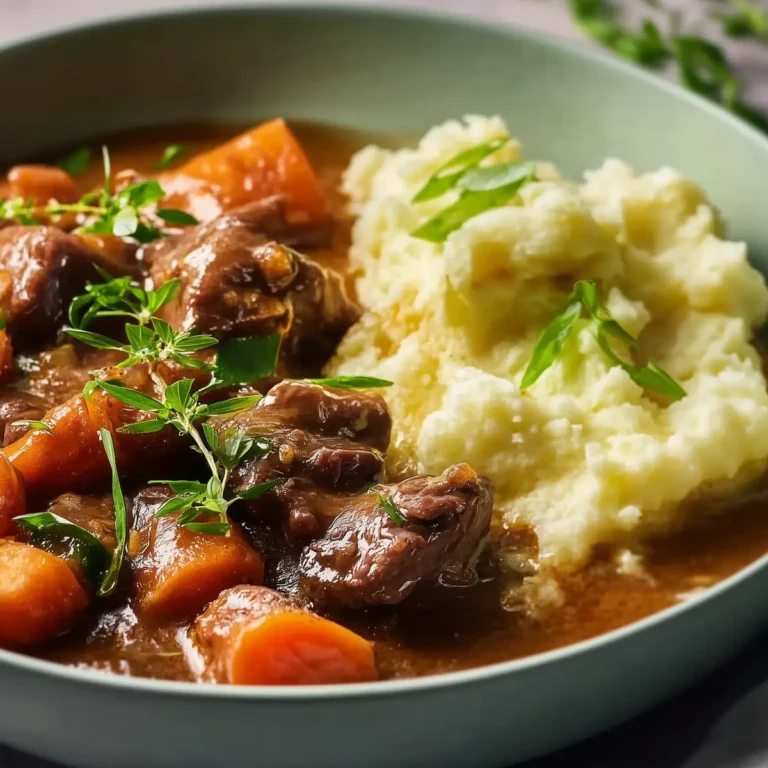
But honestly? Sometimes I let it play the main role. I’ll give it a crown of poached eggs, or serve it with pan-crisped sausages and a quick mustard sauce for a midweek supper that feels like the best kind of indulgence. It’s also amazing with roast chicken, glazed ham, or piled next to a rich beef stew. Never underestimate leftovers—they’re excellent for bubble and squeak, or even tucked into a breakfast hash.
FAQs about Colcannon
Can I make colcannon ahead of time?
Yes, you can absolutely make colcannon a day or two in advance. Let it cool completely, then store it covered in the fridge. When you’re ready to serve, reheat gently on the stove or in the microwave—just stir in a splash of milk or cream, and maybe another pat of butter to revive the creaminess.
What vegetables can I substitute in colcannon?
While cabbage and leeks are classic, you can use kale, savoy cabbage, or even spinach if you like a different green. For the allium, scallions or spring onions are lovely alternatives to leeks, and you could even sneak in some chives for a milder flavor.
Can you freeze leftover colcannon?
Colcannon will technically freeze, but the texture does change slightly, becoming denser and sometimes watery after thawing. If you do freeze it, let it cool first, pack into a shallow container, and reheat gently with extra cream or butter to bring back some of that fresh, fluffy quality.
How do I reheat colcannon without drying it out?
Reheat colcannon on the stovetop over low heat, adding a splash of milk or cream as you stir to keep it moist. A knob of butter melted in at the end always helps, too. If you’re in a rush, the microwave works—just cover and stir halfway through to ensure even warming.
Colcannon is the kind of dish you end up craving without ever meaning to—creamy, hearty, and touched with just enough green to make it feel alive. Whether it’s the humble star beside a roast or the main act with runny eggs on top, it always delivers that unmistakable sense of home. When you want to evoke simple comfort, or make any meal feel a notch more special, don’t underestimate the power of a warm bowl of colcannon. Give it a try, and let it work its small, soulful magic at your table.
More Tasty Ideas
- Crispy Irish Bacon Potato Skillet: This dish uses potatoes and bacon, making it a hearty option that complements the flavors of colcannon.
- Guinness and Irish Cheddar Macaroni and Cheese: This recipe brings a creamy element similar to colcannon, with rich flavors that enhance any comfort food meal.
- St. Patrick’s Day Brownie Trifle: This dessert adds a festive touch to your meal, balancing the savory nature of colcannon with something sweet and indulgent.
Colcannon
Ingredients
Method
- Place peeled and cut potatoes in a large pot, cover with cold water, and bring to a boil over high heat. Cook until the potatoes are tender and easily pierced with a fork, about 15 minutes. Drain thoroughly in a colander.
- While the potatoes cook, sauté the chopped cabbage and sliced leeks in a skillet with one tablespoon of butter until softened and lightly browned, about 8 minutes. This draws out their sweetness and creates a fragrant aroma.
- Return the drained potatoes to the pot and mash them with a potato masher or fork until smooth and fluffy. Add the remaining butter gradually, allowing each piece to melt in before adding more, creating a creamy base.
- Pour the warm heavy cream into the mashed potatoes, stirring gently to combine until the mixture becomes rich and velvety. Keep the mash warm over low heat while preparing to fold in the vegetables.
- Fold the sautéed cabbage and leeks into the mashed potatoes, mixing gently to distribute their greens evenly throughout the dish. The mixture should be creamy with bits of green for visual appeal and flavor.
- Season with salt and freshly ground black pepper to taste, adjusting the seasoning as needed. Optionally, garnish with extra chopped scallions or a pat of butter before serving.
- Serve the colcannon warm, ideally in a bowl or on a plate, with a golden, fluffy texture and a colorful hint of green from the cabbage and leeks. Enjoy this comforting Irish classic straight from the stove!