The first thing you notice when baking Irish Shortbread is the unmistakable smell of melting butter drifting from the oven, rich and sweet—like something you’d find on a plate in a cozy village tea room. I’ve turned to this recipe so many times, not just because it’s impossible to mess up, but because its flavor always delivers pure comfort: a golden, crumbly bite that’s lightly sweet on the tongue with the most satisfying snap. Irish Shortbread makes holidays brighter and rainy afternoons a bit warmer, but honestly, you don’t need a special occasion. Sometimes, the best excuse is just wanting your kitchen to smell like nostalgia and good taste.
What Makes This Irish Shortbread So Irresistible
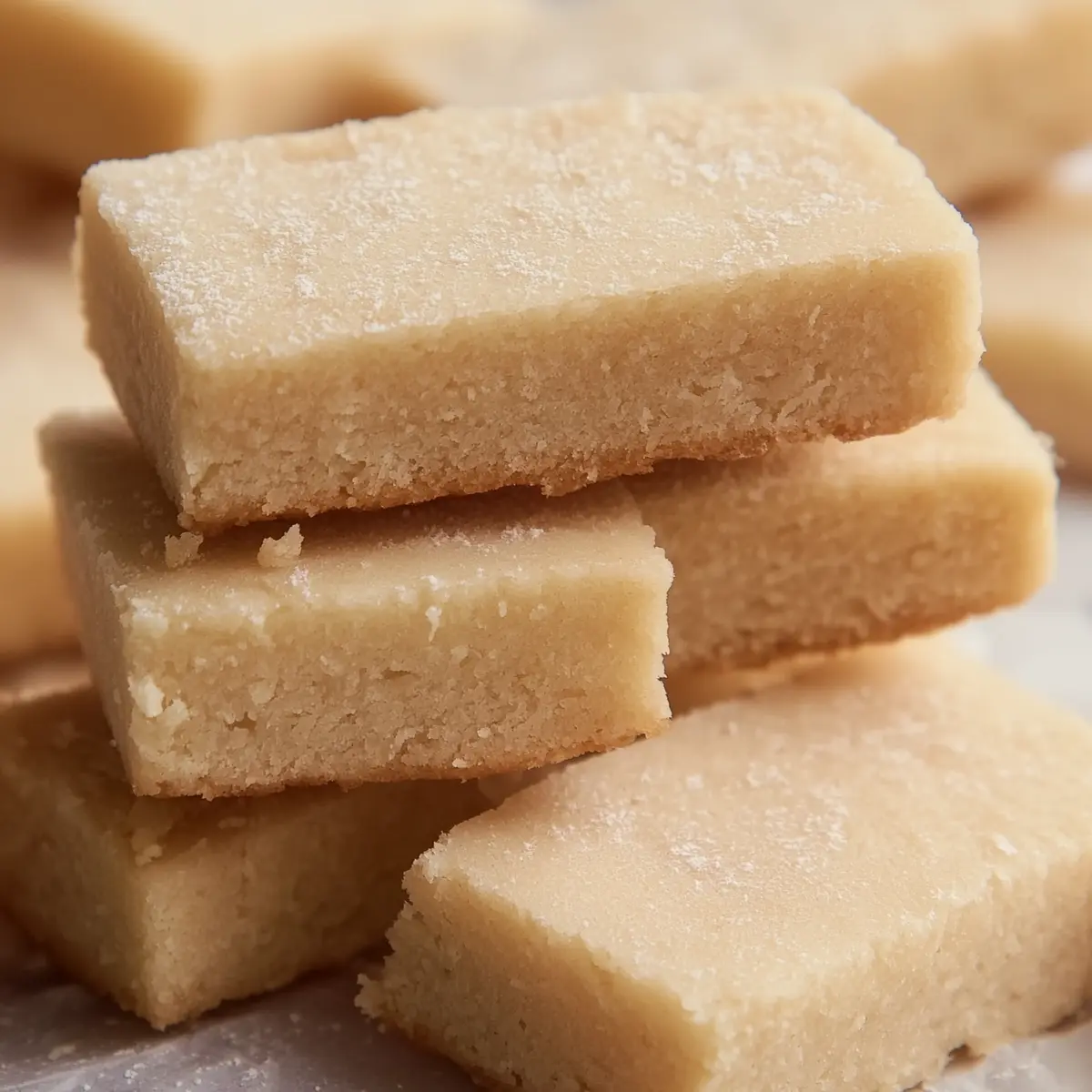
There’s something quietly magical about Irish Shortbread. The first bite is always a study in contrasts: crisp edges that yield to a delicate, buttery crumb, a whisper of sweetness that lets the dairy richness shine, and a finish that feels at once rustic and refined. Unlike many cookies, shortbread is easy to master, yet it never fails to impress—whether you slice it into slender fingers for your afternoon tea spread or tuck it into a holiday biscuit tin. Every batch feels like a little celebration of simplicity and taste—a treat that somehow makes even the smallest gatherings feel cozier and more special.
The Simple Ingredients That Make Irish Shortbread Shine
This classic recipe is built on humble pantry staples, but each one plays a starring role in texture and flavor:
- butter – The heart of any good shortbread, it brings luxurious richness and that signature melt-in-your-mouth feel. Irish butter is traditional for its deep, creamy flavor, but any high-quality unsalted butter works in a pinch.
- White granulated sugar – Adds gentle sweetness and encourages that irresistible, golden crispness on the edges. Sprinkling extra sugar on top after baking gives a pretty sparkle and a light crunch.
- All-purpose flour – Lends structure to the dough and helps create the iconic tender crumb. Be sure to sift for the lightest result.
- Cornstarch – The secret to shortbread’s sandy, delicate texture, this ingredient makes every bite just a little more tender. A touch of it is what separates truly great shortbread from the merely good.
See the recipe card below for the full list of ingredients and measurements.
Bringing This Irish Shortbread Together Step by Step
Bringing Irish Shortbread to life isn’t fussy or complicated. I find it’s a great recipe for new bakers, but also meditative for seasoned pros. Here’s how the blissful crumb comes together:
- Start by preparing your baking pan: butter it well and line it with parchment, letting the paper hang over two sides. That makes it so easy to lift the finished shortbread out, especially when it’s still warm.
- In a large bowl, combine the softened butter with sugar. Cream these together until the mixture looks light and a little fluffy—it should turn a pale yellow, almost like custard. I usually use a wooden spoon, but an electric mixer works if you want the airy effect in less time.
- Sift together the flour and cornstarch, then gently add them to your butter-sugar blend. Mix just until you’ve got a soft, crumbly dough; don’t overwork it or you’ll lose that tender bite. The dough should come together and feel like damp sand but hold when pressed.
- Press the dough firmly and evenly into your lined pan. Sprinkle a little flour on your hands if needed to help keep things tidy. The mixture should be compact and level, with all corners filled—shortbread likes a nice, even bake.
- Before baking, score the dough into “fingers” (classic shortbread shape) using a sharp knife, pressing just deep enough to mark. Then prick the top all over with a fork; this helps steam escape and keeps your shortbread beautifully flat.
- Slide the pan into a moderate oven and let the scent of butter fill your kitchen as it slowly turns golden around the edges. You’re aiming for a soft, sandy gold, not a deep brown.
- As soon as you pull the pan from the oven, shower the top with a little more sugar—this will stick while it’s warm and give a sweet, glowing finish. Let it cool just slightly before slicing along the original marks with a sharp knife. That five-minute wait always feels endless, but it helps keep the shape neat.
- Finally, lift the pieces out and let them cool on a rack. The cookies will crisp up as they rest, intensifying that classic shortbread snap.
How to Get That Perfect Crumble and Golden Edge
What sets unforgettable Irish Shortbread apart is its melt-away crumb and soft golden hue. The secret? Using high-fat, good-quality butter and just the right amount of cornstarch. Don’t rush the creaming step—fluffy, well-aerated butter-sugar mixture lays the foundation for that signature texture. When pressing the dough, keep it to an even thickness so it bakes uniformly. And keep an eye on your oven during the last minutes. You want the edges to barely turn golden; too dark, and you’ll lose that quintessential lightness. Letting the shortbread cool in the pan preserves the shape and lets the flavors settle before you enjoy that first, irresistible bite.
Serving and Storing Irish Shortbread the Easy Way
One of the best things about Irish Shortbread is its versatility. These cookies look elegant on any dessert tray but also fit right in at a casual coffee break. Serve them with a cuppa or a drizzle of dark chocolate for a twist. If you’re looking to dress things up for a holiday, try adding a sprinkle of edible glitter or a pinch of cinnamon-sugar on top.
To store, let the shortbread cool fully, then move the pieces into an airtight container. At room temperature, they’ll stay perfectly fresh for about a week—which is great for gifting or planning ahead for holidays. For even longer storage, pop them in the fridge for up to two weeks, or freeze them (layered between parchment) for months. When you want to enjoy, just let them come to room temperature and they’ll be as crisp and delightful as the day you baked them.
FAQs about Irish Shortbread
Can I substitute margarine or vegan butter for the dairy butter in Irish Shortbread?
Yes, you can swap in a vegan butter or a quality margarine if needed. Just keep in mind that the flavor and crumb might differ slightly, since butter gives classic shortbread its richness and taste.
How do I keep Irish Shortbread from spreading or getting too hard?
Avoid overmixing the dough and be sure to press it firmly into the pan. Too much handling or baking for too long can make the shortbread dense or tough. Bake only until the edges just begin to turn golden for that perfect texture.
Can Irish Shortbread be frozen after baking?
Absolutely. Once cooled, store the shortbread in a freezer-safe container with parchment between layers. Thaw them at room temperature—they’ll be just as crumbly and delicious as when they were fresh.
Is it possible to add flavors or mix-ins to this Irish Shortbread?
You can, though the classic is hard to beat. A touch of lemon zest, vanilla, or even a handful of finely chopped nuts can work well. Just add mix-ins gently to keep the dough tender.
What is the best way to serve Irish Shortbread for special occasions?
Try dusting the finished cookies with extra sugar or serving them alongside fresh berries and whipped cream. Stacked neatly on a pretty plate, Irish Shortbread makes a lovely treat for holidays and tea parties alike.
Every time I bake a batch of Irish Shortbread, I’m reminded how little it takes to create something memorable: just four ingredients and a bit of patience. The aroma of melting butter, the crumbly texture, and that golden finish always make the kitchen feel just a bit cozier. Whether you tuck these into a lunchbox, share them with friends, or nibble a few straight from the tin, this simple treat never gets old—and every bite tastes like a small celebration in itself.
More Delicious Recipes
- St. Patrick’s Day Chocolate Guinness Bundt Cake with Stout Glaze: This decadent cake pairs beautifully with Irish Shortbread for a festive treat.
- St. Patrick’s Day Lucky Chow: A fun and sweet snack mix that adds a playful twist to your St. Patrick’s Day celebrations.
- Vanilla Bean St. Patrick’s Day Cookies: These cookies are a delightful companion to a cup of tea alongside your Irish Shortbread.
Irish Shortbread Recipe
Ingredients
Equipment
Method
- Prep work. Preheat your oven to 300°F / 300°F / gas mark 2. Grease an 8 in x 8 in / 20 cm x 20 cm baking pan with butter and line with a piece of parchment (baking) paper, leaving a 1-in / 2.5 cm overhang on 2 sides of the pan for easy removal.
- Combine ingredients. Using a wooden spoon or an electric mixer, cream the butter and sugar until light, pale, and fluffy. Add the sifted flour and cornstarch and blend until the ingredients are combined and resemble coarse crumbs.
- Press dough into baking dish. Tip the dough mixture into the prepared baking pan. Using floured hands, firmly press the mixture into a level, compact surface.
- Prick and score. Use a sharp, pointy knife to cut the dough into fingers. Pierce the surface with the tines of a fork to keep the shortbread level.
- Bake. Bake for 35 to 45 minutes, until a light golden color and the edges begin just to turn golden.
- Let cool. Remove the shortbread from the oven and sprinkle it liberally with sugar. Let the shortbread sit in the pan for 5 to 10 minutes. Then use a very sharp knife to re-slice the previous indents.
- Cut shortbread. Carefully lift the shortbread out of the pan and let cool completely.
- Store. Store cooled Irish butter shortbread cookies in an airtight container. They will last for 7 days at room temperature or 2 weeks in the refrigerator.