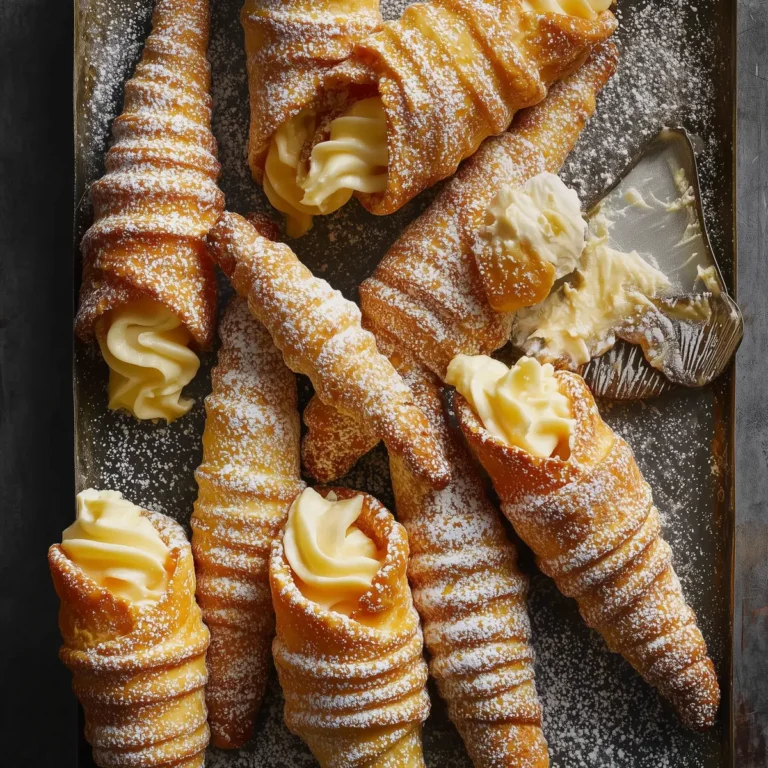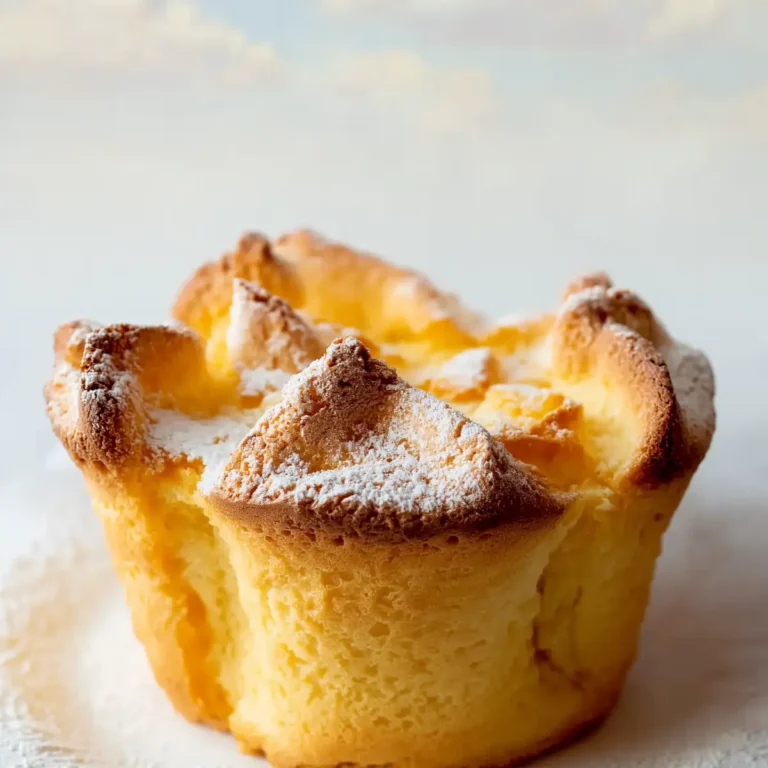
When the weather gets that certain crisp edge and the kitchen fills with the scent of sugar and yeast, I start craving Italian Bomboloni. Warm, billowy, custard-filled doughnuts that barely need an excuse to appear on the table—especially when I want to pull off something special for breakfast or give everyone an afternoon treat they’ll actually remember. Bomboloni have a knack for turning any ordinary day into a little celebration, and the best part is just how approachable they are, even for a home baker like you.
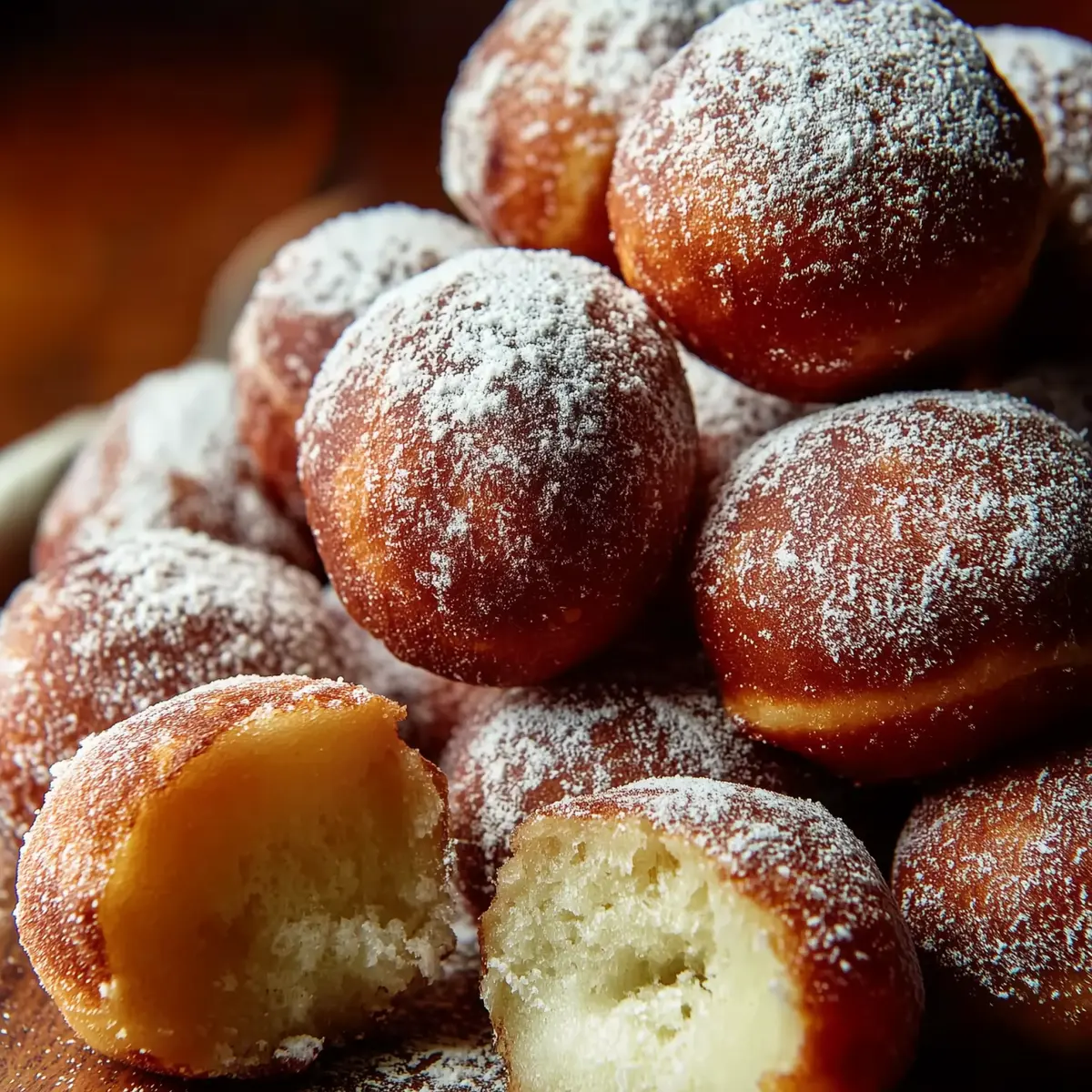
You’ll know they’re ready the moment they emerge golden from their oil bath, still warm, with powdered sugar melting softly on their tops. The first bite gives you that pillowy dough, quickly followed by rich pastry cream—impossibly light, impossibly moreish, and perfectly Italian.
Why These Italian Bomboloni Should Be Your Go-To Indulgence
Few things deliver comfort quite like classic Italian Bomboloni. Unlike their American cousins, these doughnuts have a distinctly European soul—think rich, eggy dough; buttery crumb; and that gloriously silky pastry cream tucked inside. Every bite feels like an indulgence, from the tender, slightly chewy exterior to the sweet, dusted finish that begs you to lick your fingers.
They’re surprisingly easy to pull off with a little care, but what makes them really special is the contrast: warm, puffy doughnut shell, cool and rich custard, a delicate cloud of powdered sugar melting with each bite. These are the doughnuts of Italian mornings and café afternoons—and they’re unbelievably satisfying when made at home. If you’re ready for a dessert that impresses without any pretense, bomboloni are your answer. They vanish fast from the plate, so don’t be surprised if you’re asked to make them again (and again).
What Goes Into Authentic Italian Bomboloni
Let’s break down the magic behind every fluffy batch of Italian Bomboloni. Each ingredient brings its own touch, and together they create the doughnut you crave.
- Flour – Sets up the soft structure and elasticity you need for that perfectly chewy, tender doughnut.
- Lukewarm milk – Helps activate the yeast and gives the dough a richer taste and softer bite.
- Sugar – Sweetens the dough and also assists with browning once the bomboloni hit the hot oil.
- Softened butter – Adds beautiful richness and helps keep things light and tender inside.
- Egg yolks – Make the dough especially soft and give it a hint of golden color.
- Fresh yeast or dry yeast – Gets the dough rising and creates those lovely air pockets.
- Salt – Balances the sweetness and deepens flavor throughout every bite.
- Neutral oil for frying – Lets the doughnuts crisp up without leaving a strong flavor of its own. Think sunflower or canola oil.
- Powdered sugar – All about that signature finish—dust generously for max effect.
- Pastry cream – That creamy, custardy filling is what truly sets bomboloni apart. Silky and just sweet enough, it’s worth making from scratch or buying top quality.
See the recipe card below for the full list of ingredients and measurements.
Step-by-Step Bomboloni: How to Make Them at Home
Ready to knead, fry, and fill some proper Italian Bomboloni? Here’s how I like to pull it off so you get dreamy, bakery-worthy results:
- Start by dissolving the yeast in warm milk with a spoonful of sugar. Let it sit quietly until a creamy foam forms on top—this is your sign the yeast is awake and ready to work.
- In your largest bowl, mix the flour, rest of the sugar, and a good pinch of salt. Drop in the egg yolks and soft butter, then pour over that milky yeast mixture. Stir until everything’s shaggy and just about holding together.
- Switch to kneading—by hand if you’re feeling traditional, or with a dough hook for ease—until the dough feels elastic, smooth, and a little springy when you poke it. Try not to rush this stage; it’s key for that signature fluffy crumb.
- Shape into a ball and tuck it into a greased bowl. Cover and let it rise in a warm spot until it’s doubled, puffy, and pillowy to the touch.
- Flour your surface and roll the dough out until it’s about as thick as your finger. Cut into rounds—use a glass or biscuit cutter for consistent shapes—and set them on a tray with enough space between each. Cover again; they need another nap to puff up properly.
- Heat your oil in a deep pan until it’s just right (around 170°C). Gently lower each dough round in—don’t crowd the pan. Fry, turning once, until both sides are deep golden and they smell sweet and irresistible. They should sound light as you tap them when they’re done.
- Drain your bomboloni briefly on paper towels, then give them a moment to cool so you don’t lose that precious custard when filling.
- Slip a piping bag filled with pastry cream into each doughnut (poke a little hole if you need to) and squeeze gently until just full. For the grand finale, dust them all over with powdered sugar—no point holding back here!
Enjoy while still just warm for the best experience; trust me, they rarely last long enough to cool down.
Smart Tricks for Irresistible Italian Bomboloni Every Time
Italian Bomboloni are a treat, but a few kitchen smarts will make sure yours are bakery-quality every time. First, don’t be tempted to rush the dough’s rise—a slow, warm proof is the real secret to that pillowy texture. If your kitchen’s chilly, pop the bowl (covered) into a turned-off oven with just the light on.
For frying, aim for steady heat—a thermometer really helps, but in a pinch, drop in a breadcrumb to test the oil: it should sizzle but not brown instantly. Overly hot oil will brown the outsides but leave the centers too doughy, while oil that’s too cool makes for greasy, heavy bomboloni.
Filling with pastry cream works best when the doughnuts are just cool enough to handle but still slightly warm—the cream settles neatly in and doesn’t melt out. If you find your dough is too sticky at any point, dust your surface and cutter lightly with more flour, but avoid overworking or they’ll get tough.
Got extras (a rare event)? Store in a covered container at room temp for the day, or chill filled bomboloni for up to 2 days—just know the texture is always best fresh.
Fun Twists and Serving Ideas for Italian Bomboloni
There’s a whole world of ways to riff on traditional Italian Bomboloni. While pastry cream is the classic, you can easily swap in chocolate hazelnut spread, berry jam, or lemon curd for something brighter. Don’t be afraid to get playful—add a touch of espresso powder to your pastry cream, or try orange zest in the dough for a subtle, citrus lift.
For serving, nothing beats a bombolone still faintly warm, dusted heavily with powdered sugar and paired with fresh espresso or a pot of strong tea. Set up a platter at brunch alongside some seasonal fruit, or offer them as a dessert with small glasses of sweet wine after a hearty dinner.
If you want to go all out, let guests pipe their own fillings—kids (and kids at heart) love the hands-on part. Feeling fancy? A drizzle of melted chocolate over the top before serving or a handful of toasted nuts inside the filling gives a twist without much extra effort.
Planning ahead? You can set up the dough the night before and let it gently rise in the fridge. Shape and fry in the morning, then fill just before serving for a breakfast that stops conversation.
FAQs about Italian Bomboloni
How should I store leftover Italian Bomboloni?
If you find yourself with extra bomboloni, stash them in an airtight container at room temperature for a few hours or refrigerate for up to two days. The texture softens a bit over time, but they’re still a joy to eat—especially with an extra dusting of powdered sugar to wake them up.
Can I freeze Italian Bomboloni?
You can freeze unfilled bomboloni once they’re fried and cooled—just put them in a single layer, then transfer to a bag once solid. When you’re ready, thaw at room temperature, warm gently in the oven, and fill before serving. Filled bomboloni won’t freeze as well, as the cream texture is best fresh.
What’s a good substitute if I don’t have pastry cream?
If you’re out of pastry cream, you can swap in thick vanilla pudding, lemon curd, or even well-whipped sweetened ricotta. Fruit preserves or chocolate hazelnut spread make quick, crowd-pleasing alternatives that feel a little less traditional but still delicious.
How do I get Italian Bomboloni perfectly fluffy every time?
The secret is patience—give the dough enough time to rise both after mixing and once shaped. Use fresh yeast or check that your dry yeast still foams. Fry in oil that’s hot, but not too hot, to avoid undercooked centers or greasy outsides. A soft, almost sticky dough will yield fluffier results, so resist adding extra flour unless truly needed.
Once you’ve tasted homemade Italian Bomboloni, it’s hard to turn back—they deliver that elusive blend of crispness, softness, and creamy filling all in one go. Whether you keep it traditional or play with new fillings, serving them warm with a fresh dusting of sugar makes life feel just a little more celebratory. Go ahead: share a plate and let the custard (or whatever you choose) do the talking.
More Delicious Recipes
- Italian Cream Bombs: These creamy, indulgent treats share a similar custard filling that complements the bomboloni perfectly.
- Green Velvet Cupcakes with Cream Cheese Frosting: With a focus on rich textures and sweet flavors, these decadent cupcakes will delight your taste buds just like bomboloni.
- St. Patrick’s Day Brownie Trifle: Combining layers of flavors and textures, this dessert captures the celebratory spirit akin to your homemade bomboloni.

Italian Bomboloni (Custard Doughnuts)
Ingredients
Equipment
Method
- Dissolve yeast in lukewarm milk with 1 tablespoon of sugar. Let sit for 5 minutes until foamy.
- In a large bowl, mix flour, remaining sugar, and salt. Add egg yolks, softened butter, and yeast mixture.
- Knead by hand or with a dough hook for 10–12 minutes until smooth and elastic.
- Shape into a ball, place in a greased bowl, cover, and let rise for 1½ hours until doubled in size.
- Roll dough to 1.5 cm thickness on a floured surface. Cut into rounds and place on a tray. Cover and rest for 30 minutes.
- Heat oil to 170°C. Fry doughnuts in batches, turning once until golden on both sides.
- Drain on paper towels and cool slightly.
- Fill each with pastry cream using a piping bag. Dust with powdered sugar and serve.