If you’ve ever wished you could hold the bright, sunny goodness of a lemon meringue pie right in your hand, these Mini Lemon Meringue Tarts are your dream come true. I make these whenever a gathering calls for something that dazzles but doesn’t require a fork or fancy dessert plates. The contrast of buttery pastry, tangy lemon filling, and fluffy toasted meringue is an instant crowd-pleaser and, frankly, stealing one as you pass the tray is mandatory kitchen behavior.
There’s something a little magical about the first bite—how that sweet Italian-like meringue gives just enough resistance before cloud-softly collapsing, how the lemon curd wakes up your taste buds, and how each shell crumbles just so. These tarts disappear fast at summer parties, baby showers, or just because a rainy Sunday afternoon needs a dose of citrus and sugar. Friends always ask if I bought them at a fancy bakery. Hopefully, your kitchen will feel like one, too.

When Mini Lemon Meringue Tarts Steal the Show
Bringing out a plate of mini lemon meringue tarts practically guarantees you’ll have everyone’s attention. I first whipped up a batch for a birthday where the cake tradition was politely ignored in favor of plate after plate of these tartlets. There’s simply something unbeatable about the way that citrusy punch from the lemon curd sharpens every sweet cloud of meringue. Maybe it’s their size—playfully small, they somehow manage to be nostalgic and chic at the same time. You can make them for a picnic, a late-afternoon tea, or as a grand finale for a big dinner; they never feel out of place.
What surprises me every time is how these tarts spark instant, gentle competition: quietly counting to see who got the last one, or the incremental slicing in half (“just to share,” of course) when only a single tart remains. The recipe’s a bit of a ritual in my house now—a sure signal that we’re in for a sunny, lemon-bright day, regardless of the weather outside.
The Ingredients That Give These Tarts Their Tang and Crunch
The heart of these mini lemon meringue tarts is a careful play of textures and flavors. Each ingredient earns its place:
- Butter – Absolutely required for a pastry that’s as crumbly as it is rich. It’s the base note for everything else; go for unsalted for maximum control.
- Superfine sugar – Dissolves more smoothly into the pastry and meringue, creating tenderness without any lingering grit.
- Eggs & egg yolks – The backbone of both the tart shell and that silky lemon filling, lending structure and luxurious mouthfeel throughout.
- Vanilla extract – Pairs surprisingly well with lemon to add warmth and roundness, ensuring the sweetness isn’t one-dimensional.
- Salt – Brings balance, keeps the sweetness in check, and stops everything from veering into blandness.
- Cake flour – Provides a soft, light structure to the pastry—much more tender than all-purpose flour, though you can sub in all-purpose if you need to in a pinch.
- Condensed milk – The “secret” for that uniquely creamy lemon curd filling, with a pleasant old-school charm and just the right amount of sweetness.
- Lemon juice & lemon zest – Freshly squeezed and finely grated, these two bring sharp, fragrant acidity and a floral kick that pre-bottled juice can only dream of.
- Egg whites – Form the base of the meringue, for that signature billowy topping with a toasted finish.
See the recipe card below for the full list of ingredients and measurements.
Bringing Everything Together for the Mini Lemon Meringue Tarts
The process isn’t complicated, but a bit of patience goes a long way. Here’s how I bring this recipe to life, from mixing bowl to golden, bite-sized masterpiece:
- Start with the pastry. In a food processor, pulse together the butter and sugar until the mixture is even and almost fluffy. With the motor running, add a whole egg, then follow with the yolk and a splash of vanilla. Next, add your sifted cake flour and salt—pulse only until a dough forms (overmixing toughens things up). Shape the dough into a disc, wrap it, and let it rest in the fridge for about an hour. The wait is everything—this chill ensures a flaky crumb later.
- Once cooled, roll out your dough on a lightly floured counter until it’s about half a centimeter thick. Cut discs just wider than your mini tart tins. Press each gently into the tins, making sure the edges go right up the sides, and brush the insides with a kiss of melted butter for extra richness and a golden finish.
- Blind bake your pastry. Line each tart shell with parchment and fill with uncooked rice or pie weights. This step keeps them from ballooning. Into a low oven they go, until the edges are lightly golden and the bottoms spring back from a gentle finger-tap.
- While the shells are cooling, prepare your lemon filling. Whisk together condensed milk, egg yolks, lemon juice, and zest—the mixture thickens and glows yellow almost immediately. Spoon it into the baked tart shells, smoothing out the tops and filling them nearly to the edge. Bake again, just until the filling jiggles slightly but mostly holds its form.
- Patience round two: let the tarts cool in their tins before transferring to a rack. This helps the bases stay sturdy and makes removing them breezy.
- Now, for the crowning glory: the meringue. Combine egg whites and sugar in a heat-safe bowl and set over simmering water, whisking the whole time until the sugar’s dissolved—rub it between your fingers to check for any grittiness. Once smooth, transfer to a stand mixer and whisk until the stuff is glossy and peaks hold their shape stubbornly.
- Load up a piping bag with the meringue and swirl generous clouds onto each tart. Use a kitchen blowtorch to toast the peaks until they’re golden-brown and smell like toasted marshmallows. (No blowtorch? A quick, careful stint under a hot grill works too, but keep an eye on them.)
Before plating, pause. The smell will hit you—warm sugar, citrus, and a whiff of caramel from that meringue.
Texture, Flavor, and That First Bite
What you notice first is the visual drama: those toasted swirls sitting on their buttery, golden bases. But the real excitement is all in the contrasts. Break through the cloud of meringue and it gives just a little—soft yet holding its shape, gently sticky where the torch worked its magic. Underneath, that lemon curd is all vibrancy and zip, hitting the tongue with tartness and just enough sweetness to keep things in harmony, never harsh.
And then, the pastry shell—the reason you chilled and blind-baked and fussed. It shatters delicately under the meringue and filling, providing the crunchy, almost toasty backdrop that keeps everything grounded. No soggy bottoms here—just layers that work together, flavor after flavor, from the sunny brightness of the citrus all the way to the kitchen-warm pastry.
I always find myself savoring that last, slightly sticky bite where meringue and lemon seem to meld together—the kind of thing you hope nobody notices you licking from your fingers.
Little Details That Make a Big Difference
A little technique goes a long way with these tarts. First, don’t rush the pastry rest—cold dough means flaky results. Blind baking is non-negotiable: it anchors the structure, so each bite is crisp from top to bottom.
For lemon curd, using freshly squeezed juice is a must. Bottled just tastes…flat. Add more zest if you like your citrus notes bold. When making the meringue, dissolve that sugar fully over simmering water. If you cut corners here, you’ll end up with a grainy topping (tragic, really).
If you want to experiment, swap in lime or orange zest and juice for the lemon—each brings a new personality. You can also make the bases a day in advance; store unfilled shells in an airtight container, then fill and finish on the day. Oh, and if you like an extra tangy filling, sneak in a splash more lemon juice (just don’t let it get runny).
Leftovers (if you somehow have any) refrigerate well for a day or two—the meringue holds up, though they’re at their peak the day they’re made. Avoid freezing; the textures just don’t survive the deep chill.
Serving Mini Lemon Meringue Tarts for Maximum Cheer
The beauty of mini lemon meringue tarts is how effortlessly they look spectacular. I love setting them on a plain white platter to let every glossy, toasted swirl pop. For fancier occasions, place each tart in a tiny paper case, bakery-style, or cluster them on a three-tier stand with berries scattered between.
They’re perfectly sized for dessert tables, open houses, or afternoon coffee with friends. For a party, offer them with tea or espresso—lemons and deep coffee are a match I didn’t expect to adore, but now crave. On hot days, a platter of these tarts from the fridge feels almost like a frozen treat, all cool citrus and creamy billows.
If you’re serving a crowd, you can double the batch and set them out in waves, replenishing the tray when no one’s looking. Nobody will mind sneaking a second.
FAQs about Mini Lemon Meringue Tarts
Can you make Mini Lemon Meringue Tarts ahead of time?
Yes, you can prepare the pastry shells and lemon curd up to a day ahead. Fill and bake the tarts, then add the meringue and torch just before serving for best texture. If you must assemble everything in advance, store them in the refrigerator but enjoy them within 24 hours to keep the pastry crisp.
What substitutions work for the pastry?
If you don’t have cake flour, all-purpose flour is an acceptable swap, though the pastry may turn out slightly less tender. Dairy-free baking sticks can replace butter, but the flavor profile and flakiness will be different. Avoid margarine if possible—nothing beats real butter for that “melt in the mouth” finish.
How should I store leftover mini lemon meringue tarts?
Store any leftover tarts in a single layer in an airtight container in the fridge. They’ll keep for about two days, but the crust is at its absolute best on day one. Avoid stacking as it can flatten the delicate meringue.
Can Mini Lemon Meringue Tarts be frozen?
Freezing is not recommended for fully assembled tarts. The meringue tends to separate and become sticky when thawed, and the pastry can turn soggy. However, you can freeze the baked empty tart shells and fill them later for a fresher bite.
Mini Lemon Meringue Tarts have a way of turning even a quiet afternoon into a little event—each bite is like a burst of sunshine wrapped in buttery pastry and soft sweetness. They’ve become my secret weapon for any occasion where something special (but very snackable) is called for. If you’re craving a dessert that’s equal parts nostalgic and a little glamorous, these tarts check every box. Don’t be surprised if everyone asks for the recipe—or the last one on the plate.
More Tasty Ideas
- St. Patrick’s Day Chocolate Guinness Bundt Cake with Stout Glaze: This rich cake shares a delightful sweetness akin to the tangy lemon in the tarts.
- Italian Cream Bombs: These creamy and decadent treats have a playful appeal similar to mini tarts, perfect for gatherings.
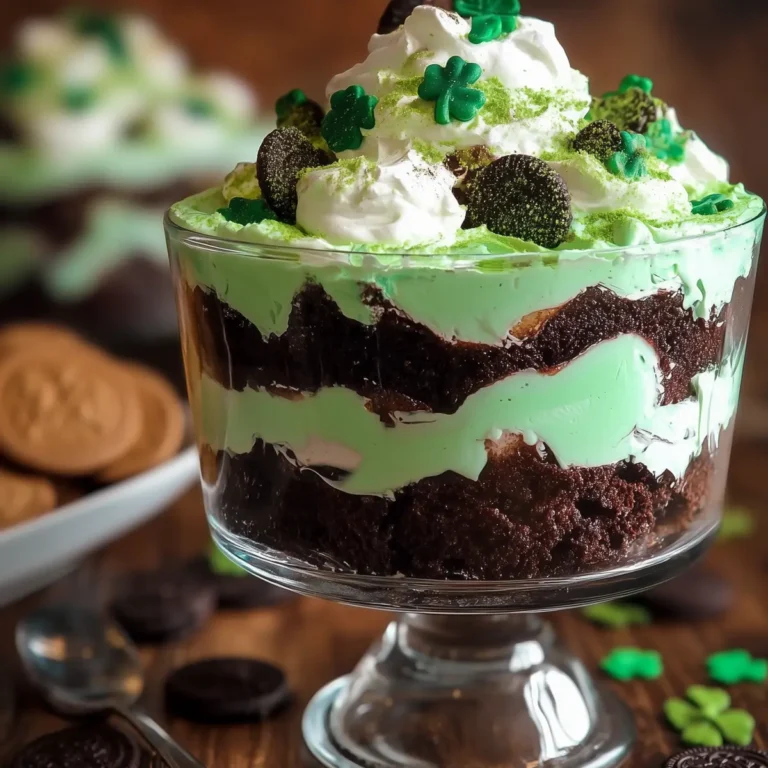
- St. Patrick’s Day Brownie Trifle: This festive dessert adds a lovely layer of sweetness that complements the citrus of the mini tarts.

Mini Lemon Meringue Tarts
Ingredients
Equipment
Method
- Add the butter and sugar to a food processor. Pulse until the mixture is well combined and homogenous.
- First, add the whole egg to the creamed mixture with the food processor running, and pulse until combined. Then add the egg yolk and vanilla and pulse again.
- Sift together the flour and salt and add this flour mixture to the egg and butter mixture all at once. Pulse until a dough forms, do not overmix.
- Remove the dough from the bowl, cover it in a sheet of plastic wrap, and refrigerate for an hour.
- Preheat the oven to 140°C (290°F) and brush 20 mini tart tins with melted butter.
- Remove the chilled dough from the fridge and roll it out on a lightly floured surface to a thickness of ½ cm (¼ inch) using a rolling pin.
- Cut discs of the rolled pastry slightly larger than the tart tins, place these pastry discs into the buttered tart tins, and use your fingertips to gently press the pastry into the base of the tin and up the sides of the tins.
- Line each pastry tin with parchment paper and fill this with uncooked rice or pie weights. Blind bake the shells in a preheated oven for 15 minutes until a light golden brown. Set aside.
- In a large mixing bowl add the condensed milk, egg yolks, fresh lemon juice, and lemon zest. Whisk to combine.
- Spoon the lemon mixture into the pre-baked pastry shells, be sure to fill them almost to the top of the pastry shell.
- Bake the filled lemon tarts in a preheated oven at 160°C (320°F) for 15 minutes or until the lemon filling is just set.
- Remove the tarts from the oven and allow the tarts to cool for 15 minutes in their tins before removing them from their tins and allowing them to cool completely on a wire rack.
- Add the egg whites and sugar to a heat-proof bowl set over a saucepan of simmering water.
- With the egg white mixture set over a double boiler, whisk continuously until the sugar has melted. Check this by rubbing a bit of the meringue mixture between your fingertips to ensure there are no sugar granules.
- Once melted add the meringue mixture to a bowl of a stand mixer fitted with a whisk attachment. Beat at medium-high speed for 10 minutes until stiff peaks, the meringue must be thick and glossy.
- Fill a piping bag fitted with a plain round 1cm (0.4 inches) nozzle with the meringue mixture. Pipe a generous amount of meringue onto each tart, and use a kitchen blow torch to torch the meringue until toasty. Serve, and enjoy!