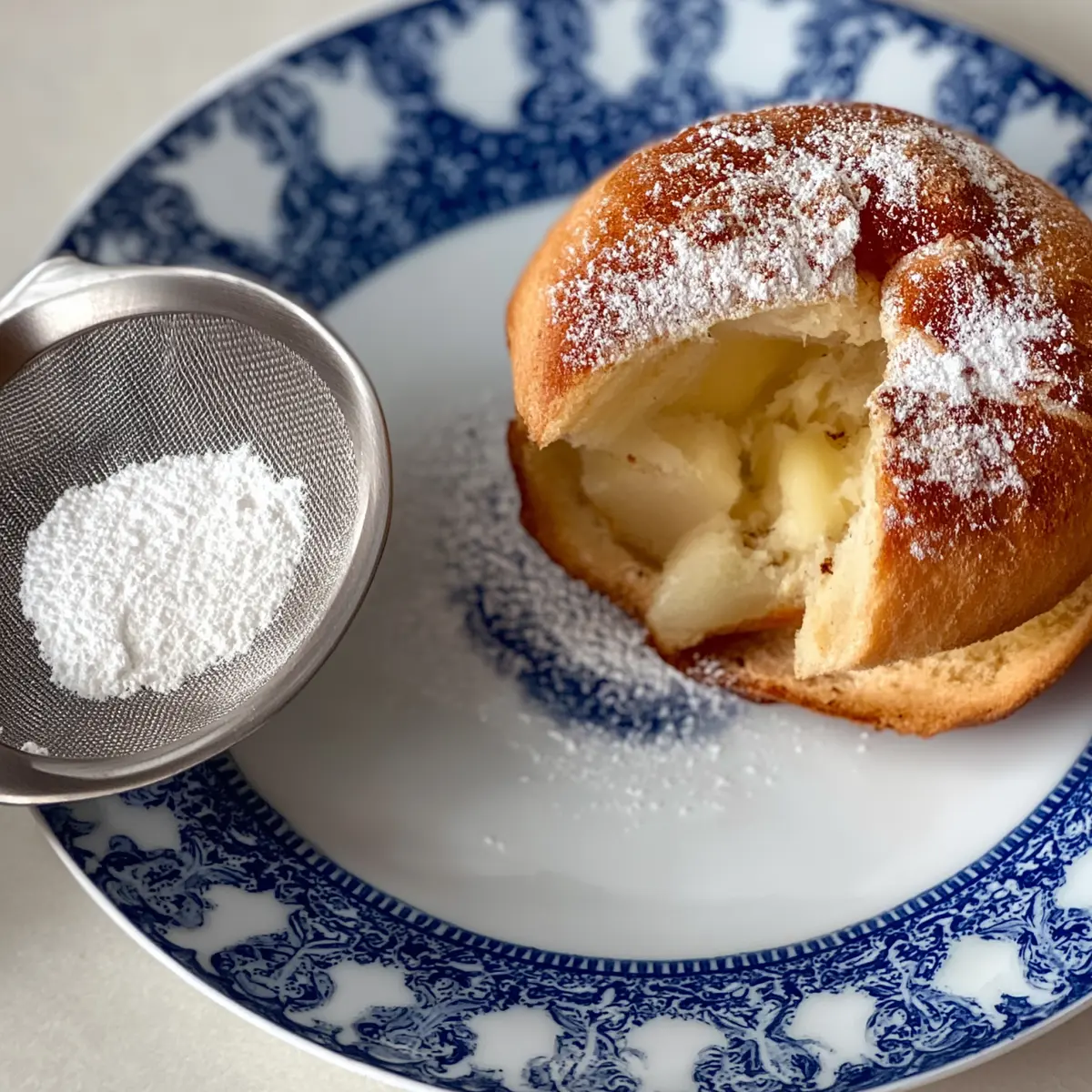
If you’ve ever strolled through the heart of Lecce on a sleepy morning, you’ll already know that nothing pulls you toward a bakery window quite like the golden shine of a pasticciotto. These little oval pastries are the kind of treat that makes you stop what you’re doing and savor every crumb—the shell is crisp and buttery, the creamy custard inside practically melts. And if you’re craving that same sweet experience at home? You’re in the right place. Let’s bake pasticciotto together, Salento-style.
Why This Pasticciotto Hits All the Right Notes
Biting into a pasticciotto isn’t just about indulging your sweet tooth—it’s about catching a little piece of southern Italian tradition. These pastries walk the line between comfort food and showstopper dessert. Warm from the oven, the crisp pastry crackles beneath your fork, revealing a luscious custard center that manages to be both light and rich.
What really makes homemade pasticciotto shine? It’s the contrast: the golden, crumbly shell hugs the silky cream in the center. You get southern Italian nostalgia with every bite, whether you grew up on these pastries—or you’re just discovering them for the first time. Even better, they’re simple enough for a cozy breakfast or a just-because treat, but elegant enough to impress guests at a coffee gathering.
If you’re tired of over-the-top, crowded recipes, this one will feel like a breath of salty Adriatic air. Pasticciotto celebrates good ingredients and careful, unfussy technique—nothing complicated, just pure pleasure.
Inside the Dough and Custard: What Goes Into These Pasticciotti
Let’s peek at what you’ll need to make authentic pasticciotto, classic Lecce-style:
- Flour – The structure-builder for both pastry and custard. Go for a delicate, finely milled type if you can—for the best crumb.
- Granulated sugar – Adds subtle sweetness to both dough and cream, with just enough to balance the custard’s richness.
- Butter (unsalted and cold) – Essential for creating that dreamy, crisp shell. The coldness is key for flakiness.
- Eggs (whole and yolks) – Egg yolks give the pastry its golden hue and help the custard set to perfect creaminess.
- Salt – Don’t skip it! It brings all the flavors into sharp focus.
- Lemon zest (optional) – A hint in the dough or cream boosts freshness and mimics what most Lecce bakeries use.
- Corn starch – This thickens the custard without turning it gluey (way silkier than just flour).
- Whole milk – Go for the good stuff: full-fat milk ensures your pastry cream isn’t thin or bland.
- Vanilla bean or more lemon zest – A subtle perfume in the custard; go classic with vanilla or go zesty, Italian-nonna-style.
- Extra yolk and milk (for brushing) – This little step gives the tops that irresistible golden sheen as they bake.
- Powdered sugar – For a final snowy dust after baking, just like at the best Italian pasticceria.
See the recipe card below for the full list of ingredients and measurements.
Easy Pasticciotto: How to Bake These Lecce Delights
Making pasticciotto at home is part cozy ritual, part pastry magic. Here’s how it’s done, step by step, so you get that shattering crust and soft custard every time.
- Start with the crema pasticcera. Gently heat whole milk with a split vanilla bean or some lemon zest until it’s steaming but not bubbling over. Meanwhile, whisk egg yolks with sugar in a separate saucepan until pale and smooth. Sift in corn starch and flour, stirring to keep the texture lump-free.
- Temper the eggs. Steadily pour your hot milk into the yolk mixture, whisking constantly—don’t rush here, or you’ll scramble the eggs. When smooth and combined, return everything to the heat. Keep whisking over low until it thickens into a glossy, spoon-coating cream. Scrape it into a bowl and press plastic wrap right onto the surface to prevent skin forming. It needs a chill in the fridge until completely cold.
- Work on the pasta frolla (shortcrust pastry). Pile your flour on a pastry board and create a wide well in the center. Add the sugar, a pinch of salt, fresh lemon zest if you’re using it, and eggs. Scatter cold butter pieces over everything, then work with your fingertips until you have a crumbly, sandy dough. Quickly knead it just until smooth—don’t overdo it, or you’ll lose that tender crumb.
- Chill the dough. Shape it into a thick disc, wrap in plastic, and let it rest in the fridge. This makes the dough less sticky and easier to roll out later.
- Prepare your molds. Once both cream and dough are chilled, dust your pastry board lightly with flour, roll the dough until it’s about as thick as two stacked coins, and cut out pieces to line your molds (oval ones, if you have them). It’s okay if they’re a little rustic—just make sure the dough is snug against the sides with no gaps.
- Fill and seal. Spoon generous dollops of cold crema pasticcera into each pastry shell—but don’t overfill, or you’ll risk a custard eruption in the oven! Top with more rolled dough and press the edges firmly to seal. Neat edges make for easier unmolding later.
- Glaze and bake. Whisk an egg yolk with a splash of milk, then brush over the tops of your pastries. Slide the tray into your preheated oven and bake until the pasticciotti are glossy and burnished—the tops should catch the light, and you might catch a few whiffs of caramelizing sugar.
- Cool and finish. Let them rest for a bit so the custard sets just enough. Remove gently from their molds, then—if you like—a dusting of powdered sugar for that classic finish.
Small Tricks for Unforgettable Pasticciotto
Making pasticciotto is all about those little details that transform good into absolutely irresistible. Here’s what I picked up through lots of (delicious) trial and error:
Don’t skip chilling both your dough and custard before assembling—if they’re warm, the pastry goes all floppy, and you lose that sharp, defined layer between crust and cream. If you find your dough sticking, dust hands and board with just a whisper of flour; too much and the pastry turns tough.
Overfilling your pasticciotto is tempting, but trust me, it’s a recipe for leaky custard once the heat gets going. Leave a small gap between the cream and the top edge of the pastry shell.
When sealing, make sure to pinch or press the dough together with a confident hand. Any open edges and you’ll get bubbling custard oozing out as everything bakes.
If your oven runs hot, check five minutes before the pastries look fully golden—they can go from perfect to deeply browned quickly. And for an even shinier top, you can brush them twice: once when they go in, a second time halfway through.
Leftovers? Pasticciotti are beautiful fresh from the oven, but a night in the fridge (well covered) makes them delightfully firm and snackable—try them cold, Italian-style, with a morning espresso.
Pasticciotto Variations and Ways to Serve
While the classic pasticciotto is filled with smooth pastry cream, you can easily riff on this tradition. A layer of tart jam at the base (raspberry or sour cherry works like a dream) before adding the custard gives each bite a burst of fruitiness—a trick I borrowed from a friend who swears by it.
You could also fold a few toasted pine nuts into the cream for a subtle nutty crunch, or get playful with chocolate: swap half the vanilla custard for a rich cocoa version to satisfy serious sweet teeth.
Pair your pasticciotto with a too-hot cup of espresso or a glass of dessert wine for a proper Lecce-style break. If you’re feeling extra, sprinkle warm pastries with just a touch of lemon zest on top, or serve them alongside a fresh fruit salad for contrast.
For special occasions, bake the mini pastries in festive paper cups or top them with colored sugar—Italian holidays beg for a sweet treat like this in the center of the table. And if you need to get ahead, both the dough and custard can be made a day in advance. Just assemble and bake when you want that fresh-from-the-oven aroma in your kitchen.
FAQs about Pasticciotto
How should I store leftover pasticciotto?
Once baked and cooled, pasticciotti keep well in an airtight container in the fridge for a couple of days. They stay firm and the custard inside won’t get watery. Eat them cold or let them stand at room temperature for a few minutes to take the chill off.
Can I freeze pasticciotto for later?
Yes, you can freeze baked pasticciotti (preferably un-dusted with powdered sugar). Wrap them tightly and freeze for up to a month. Let them thaw overnight in the fridge, and rewarm in a low oven to refresh that crisp shell before serving.
What can I use if I don’t have oval molds for pasticciotto?
No worries—small muffin tins or mini pie pans work just as well. You’re aiming for a generous ratio of pastry to cream filling, so use a mold that isn’t too shallow. Just make sure to grease the molds so you can release the pastries more easily.
Can I customize the filling for my pasticciotto?
Definitely! The classic is vanilla or lemon-scented custard, but you can swap in fruit jams, Nutella, or a chocolate pastry cream if you’re in the mood to experiment. For a grown-up twist, try folding some chopped candied orange or pine nuts into the filling.
Whether you’re baking for a taste of nostalgia or just in the mood for something a bit more special than another batch of cookies, pasticciotto has you covered. Each bite is a mix of rich cream, delicate citrus, and just the right amount of buttery crunch. Serve them warm as a morning treat, sneak one with your afternoon coffee, or share a tray at your next get-together—these pastries always bring a little southern Italian sunshine to the table.
More Delicious Recipes
- Italian Cream Bombs: These delightful cream-filled pastries offer a similar indulgent experience to pasticciotto with their rich creamy centers.
- Green Velvet Cupcakes with Cream Cheese Frosting: If you enjoy pastries with a creamy filling, you’ll love these festive cupcakes that combine rich flavors and a smooth frosting.
- St. Patrick’s Day Brownie Trifle: This layered dessert features rich textures and flavors, akin to the contrasting textures found in pasticciotto.

Pasticciotto Recipe
Ingredients
Equipment
Method
- Heat the milk in a saucepan with the vanilla or lemon zest, as desired. Bring to a near boil.
- While the milk is heating, in another saucepan, beat the egg yolks with the sugar and mix well.
- Then add the two sifted flours and mix.
- Slowly pour the hot milk into the egg-sugar-flour mixture, stirring constantly.
- Place the saucepan over low heat. Whisk until the cream thickens (this will take about 3-4 minutes).
- Pour the pastry cream into a bowl. Cover with plastic wrap (in contact with the cream) and allow to cool completely in the refrigerator (at least 30 minutes).
- Put the flour on a pastry board and make a hole in the middle. Pour in the sugar, lemon zest (optional), salt and room temperature eggs in this order.
- Add the cold butter cut into small pieces. Knead the ingredients quickly for the shortest time possible, so as not to overheat the dough, until the mixture is compact and elastic.
- Form a loaf and wrap in plastic wrap. Let it rest in the refrigerator for at least 30 minutes.
- Remove the pasta frolla from the refrigerator. Place it on a marbled pastry board dusted with a little flour. Roll it out with a rolling pin until it's about 5 mm (1/5 inch) thick.
- Take the oval molds and lightly oil them. Line each mold with shortcrust pastry. Use your fingers to shape the pastry so that it covers the inside of the mold well. Discard any excess dough that sticks out.
- Place 2 or 3 teaspoons of crema pasticcera in each mold so that the cream is just below the rim.
- Take another piece of rolled-out pastry and fully cover the cream.
- Press the dough to the edges to seal the pastry. Again, remove excess dough from the edge of the mold.
- Now beat an egg yolk with 3 tablespoons of milk and brush the surface of the pasticciotti. This will serve to form the shiny and golden top.
- Bake the pasticciotti in a preheated oven at 180°C (356°F) for 30-35 minutes.
- When the pasticciotti are golden brown, remove them from the oven and let them cool at room temperature for a few minutes.
- Finally sprinkle with icing sugar and serve.