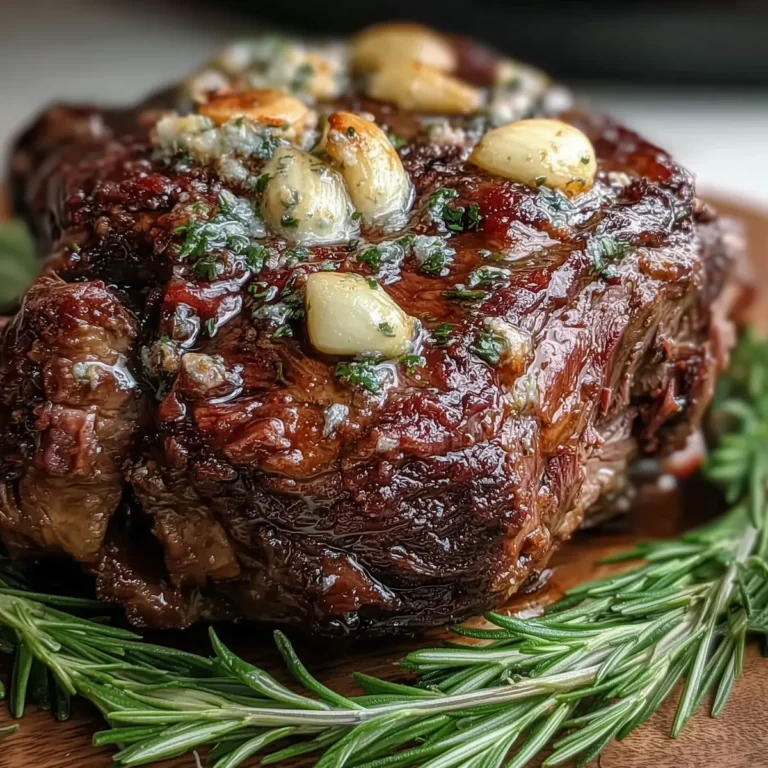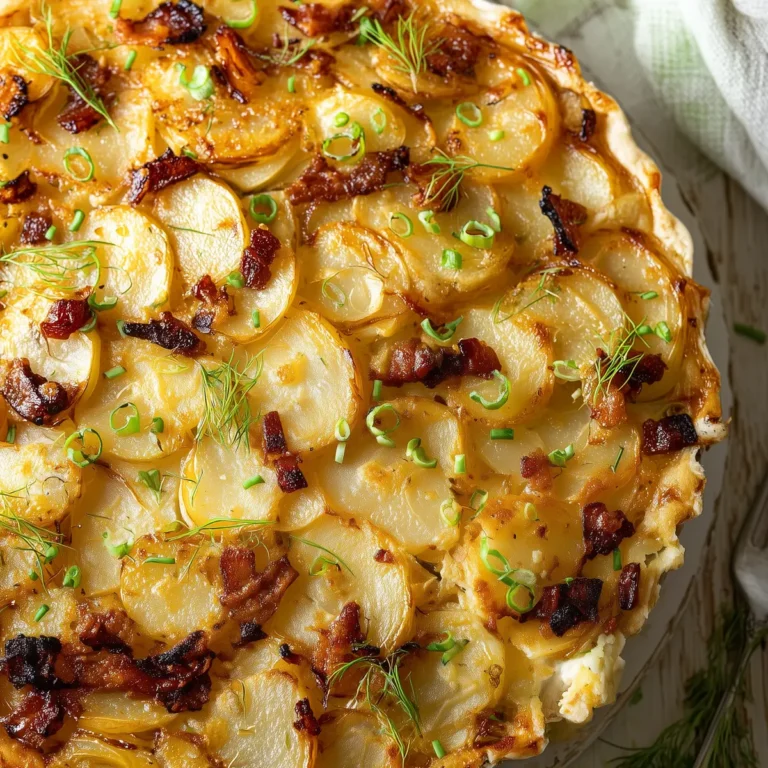
The aroma of a Slow Cooked Irish Stew with Colcannon drifting from the kitchen on a chilly evening is enough to nudge anyone to the table before a word is even spoken. Thick, rich broth hugging chunks of tender beef, vegetables soft and savory, a hint of malt from stout—the kind of meal that feels like pulling a cozy wool blanket around your shoulders. I always find myself craving this stew right as the weather swings toward brisk, or after a long walk when something deeply comforting is in order. It’s rustic comfort layered with old-world flavor and a tradition that practically begs for a second helping. Let’s dig into what makes this slow cooked marvel and its creamy colcannon side so wonderfully soul-soothing.
What Makes This Slow Cooked Irish Stew with Colcannon So Irresistible
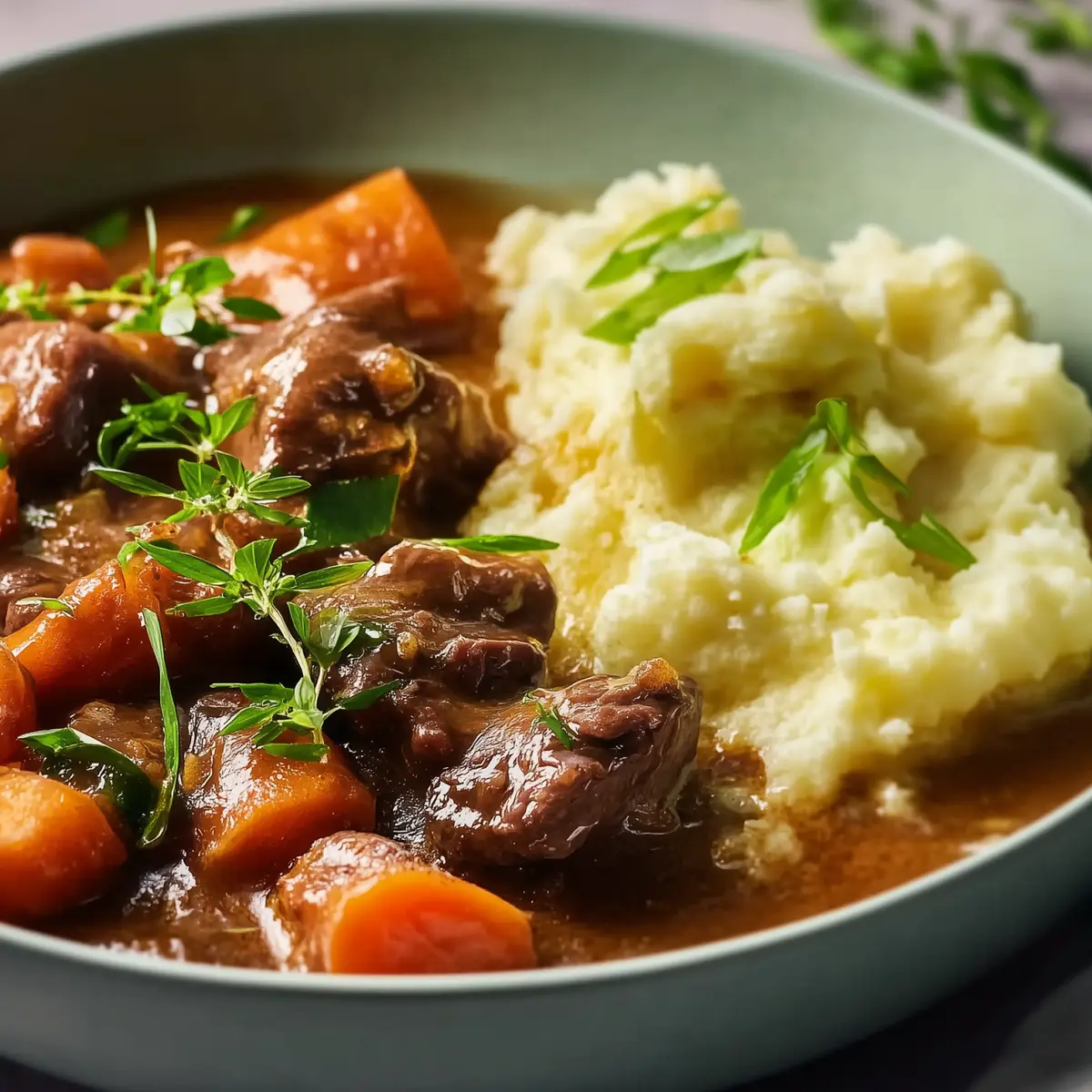
Sinking a spoon into a bowl of Slow Cooked Irish Stew with Colcannon is a visceral experience: rich, savory, and a little bit nostalgic. The beef practically melts, carrots provide subtle sweetness, and everything bubbles together in a broth laced with dark Guinness. When served with colcannon—mash speckled with cabbage or kale—there’s this perfect combination of creamy, hearty and herbaceous. What takes this stew to the next level is the slow simmer, which gives every ingredient a chance to shine and every bite a depth that’s hard to beat. Whether it’s St. Patrick’s Day or just a damp, dreary Tuesday, this is the kind of meal that makes the ordinary extraordinary.
The Ingredients That Bring This Stew to Life
Every element in this dish has a role, from building a hearty base to lending just the right accents. Here’s what goes into making the most soul-warming Slow Cooked Irish Stew with Colcannon:
- Olive oil – A good drizzle helps sear the beef for those toasty brown edges and adds a mellow richness.
- Chuck roast – This tough cut transforms into tender, juicy bite-sized pieces as it simmers away, creating a meaty backbone for the stew.
- Onion – Its sweetness rounds out the flavors and forms the aromatic base for the broth.
- Celery – Brings freshness and a touch of subtle bitterness to balance the dish.
- Garlic – Eight cloves might seem like a lot, but their pungency mellows out beautifully as they cook.
- Guinness stout – Infuses the stew with roasted, malty depth and unmistakable Irish flair.
- Beef stock – Think of this as liquid gold for building a deep, savory broth that carries every other flavor.
- Tomato paste – Just a spoonful adds a little tang and intensifies the color.
- Worcestershire sauce – Adds a dark, salty-sweet complexity that elevates the stew with a hint of fermented savoriness.
- Salt and pepper – To draw out all those hearty flavors and balance things just right.
- Thyme – A must for classic herbal notes that run through every spoonful.
- Bay leaves – Offer a subtle, woodsy aroma as the stew slowly simmers.
- Carrots – Sliced thick so they keep their shape; their sweetness is a natural counterpart to the beef and broth.
- Smoked paprika – Just enough for an indefinable hint of smokiness in the background.
- Parsley – Stirred in at the end for a burst of freshness and a happy pop of green.
See the recipe card below for the full list of ingredients and measurements.
How Slow Cooking Sets This Irish Stew Apart
Building this stew is about gentle layering, patience, and letting heat and time do the hard work. Here’s how everything comes together in one pot for a deeply flavorful Slow Cooked Irish Stew with Colcannon:
- Heat a generous splash of olive oil in a heavy-bottomed pot. Once shimmering, add the cubes of chuck roast in batches. Let the beef brown well on all sides—don’t rush this step; those caramelized bits make the stew’s flavor sing.
- After you’ve seared all the beef, set it aside and toss the onion and celery into the same pot. The vegetables soak up those savoury juices, softening and picking up color as they cook.
- Drop in the garlic and give everything a stir—when you catch that bold, earthy aroma, it’s time to add the tomato paste. Let the paste cook out for just a minute or two, deepening in color and flavor.
- Return the beef and its juices to the pot. Pour in the Guinness, scraping up those browned bits on the bottom; then add the beef stock, Worcestershire sauce, thyme, bay leaves, smoked paprika, carrots, and plenty of freshly ground black pepper and salt.
- Bring the stew to a gentle simmer. Partially cover the pot and let the whole mix bubble slowly for over an hour—the longer, the better. The beef will become fork-tender, and the broth transforms into a layered, velvety sauce that coats every bite.
- Right before serving, take out the bay leaves and sprinkle in the parsley. Taste and adjust seasoning as needed. Pair steaming bowls of stew with heaps of creamy colcannon to soak up every drop.
Balancing Malt and Earthy Flavors in Every Bite
The secret to this Slow Cooked Irish Stew with Colcannon is how everything melds together—malty stout, savory beef, and those sweet root vegetables. Browning the beef first lays the foundation, and slow simmering is what draws out that unmistakable stew flavor. Guinness brings a roasted darkness that’s never bitter, while a couple of bay leaves and a hearty dose of thyme bring the bouquet together. Carrots keep things just sweet enough, balancing the richness so you never tire of it, no matter how big your serving. And with colcannon’s creamy, buttery smoothness as a base, every bite feels both luxurious and utterly homey.
Serving Suggestions, Variations, and Leftover Tips for Slow Cooked Irish Stew with Colcannon
There are so many ways to tailor this stew to suit your table and your schedule. If you’re craving extra veg, parsnips can slip in alongside the carrots for a gentle sweetness, or swap kale into your colcannon for a boost of greens. Don’t have Guinness on hand? Any dark stout will bring depth, though the unique Irish flair may shift a little. Leftover stew only gets better after a night in the fridge—the flavors deepen, and the broth thickens. Make a big batch and reheat it gently the next day, adding a splash of stock if it gets too thick. This stew also freezes beautifully; let it cool completely before transferring to airtight containers, and it’ll keep for a couple of months. Pair leftovers with crusty bread for lunch, or stuff the colcannon and stew into a hearty pie crust for a playful twist.
FAQs about Slow Cooked Irish Stew with Colcannon
Can I make Slow Cooked Irish Stew with Colcannon ahead of time?
Absolutely, this stew can be made a day or two ahead; in fact, the flavors only improve with time. Simply let the stew cool, store it in the fridge, and gently reheat before serving. The colcannon can also be prepared in advance and rewarmed when needed.
What are the best cuts of beef for Irish stew if I can’t find chuck roast?
If chuck roast isn’t available, look for other well-marbled, tough cuts like brisket or stewing beef. The key is to use a cut that’s suitable for long, slow cooking, as it will become wonderfully tender over time.
Does Slow Cooked Irish Stew with Colcannon freeze well?
Yes, the stew can be frozen for several weeks with no loss of flavor. Allow it to cool completely and use airtight containers. The colcannon may change in texture after freezing, but it’s still delicious when reheated.
How can I make this stew gluten-free?
To make the stew gluten-free, use a gluten-free stout and check that your Worcestershire sauce and beef stock are free from wheat or barley additives. The rest of the ingredients are naturally gluten-free.
What should I serve with Slow Cooked Irish Stew with Colcannon for a complete meal?
Serve this hearty stew and colcannon duo with a side of crusty bread, a simple green salad, or a pint of your favorite Irish ale or cider. It’s satisfying enough for a stand-alone supper, but always welcomes a little extra bread on the side.
As bowls are emptied and the last spoonfuls of Slow Cooked Irish Stew with Colcannon scoop up that final bit of gravy, there’s a genuine sense of comfort that settles in. The long simmer, the earthy undertones, and the creamy cloud of potatoes on the side—this is the kind of meal made for sharing, savoring, and lingering just a bit longer at the table. When the outside world is gray and cold, you know this slow cooked classic will warm you from the inside out.
More Delicious Recipes
- St. Patrick’s Day Chocolate Guinness Bundt Cake with Stout Glaze: This dessert uses Guinness like the stew, creating a rich, chocolatey experience perfect for a festive occasion.
- Guinness and Irish Cheddar Macaroni and Cheese: A comforting twist on a classic with the addition of Guinness for a deeper flavor profile that pairs well with savory dishes.
- Crispy St. Patrick’s Irish Bangers & Mash Cups: This dish features hearty sausages with creamy mashed potatoes, echoing the comforting spirit of Irish stew and colcannon.

Slow Cooked Irish Stew with Colcannon - thegirlskitchen
Ingredients
Equipment
Method
- Heat a generous splash of olive oil in a heavy-bottomed pot. Once shimmering, add the cubes of chuck roast in batches. Let the beef brown well on all sides—don’t rush this step; those caramelized bits make the stew’s flavor sing.
- After you’ve seared all the beef, set it aside and toss the onion and celery into the same pot. The vegetables soak up those savoury juices, softening and picking up color as they cook.
- Drop in the garlic and give everything a stir—when you catch that bold, earthy aroma, it’s time to add the tomato paste. Let the paste cook out for just a minute or two, deepening in color and flavor.
- Return the beef and its juices to the pot. Pour in the Guinness, scraping up those browned bits on the bottom; then add the beef stock, Worcestershire sauce, thyme, bay leaves, smoked paprika, carrots, and plenty of freshly ground black pepper and salt.
- Bring the stew to a gentle simmer. Partially cover the pot and let the whole mix bubble slowly for over an hour—the longer, the better. The beef will become fork-tender, and the broth transforms into a layered, velvety sauce that coats every bite.
- Right before serving, take out the bay leaves and sprinkle in the parsley. Taste and adjust seasoning as needed. Pair steaming bowls of stew with heaps of creamy colcannon to soak up every drop.