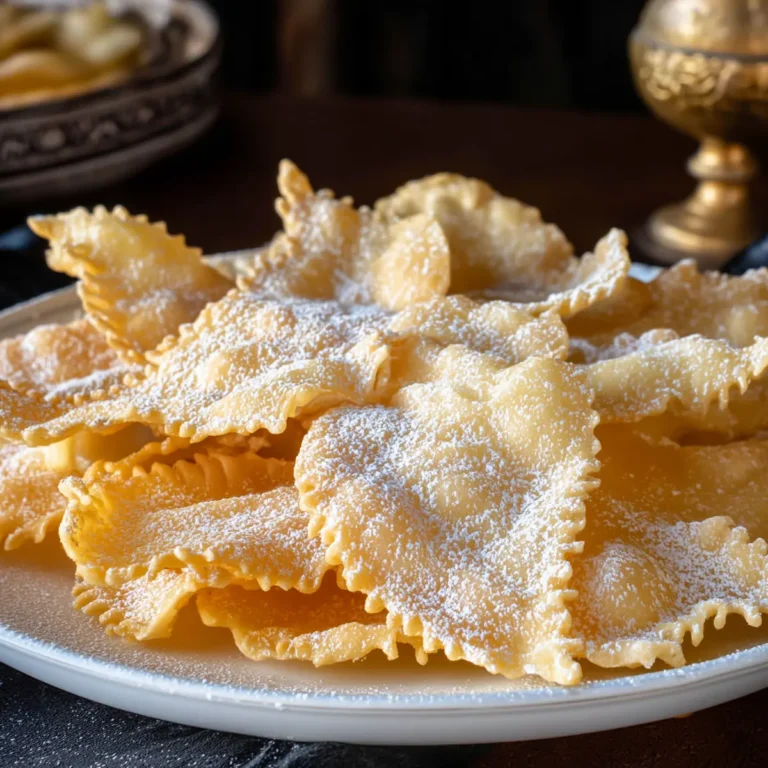
Last spring, I found myself unexpectedly hosting brunch after a last-minute text from friends who just “happened to be in the neighborhood.” Panic? Nope—just a quick scan of the pantry and a gentle raid on my cheese drawer. That’s how I was reminded of Soffioni Abruzzesi: little Italian pastries that always look fancy, feel festive, but are surprisingly easy. If you’ve never tried them, think fluffy, almost soufflé-like ricotta cream tucked inside a delicate homemade pastry shell, ready to charm anyone lucky enough to share your kitchen.
Soffioni Abruzzesi really are the perfect treat when you crave both comfort and a dash of show-off flair. The aroma alone—lemon zest, sweet cheese, golden edges—will have everyone hovering nearby, asking what’s in the oven. Whether it’s a holiday breakfast, a tea-time pick-me-up, or just a “kitchen table, slippers and sunbeam” kind of afternoon, these pastries know how to fit in.
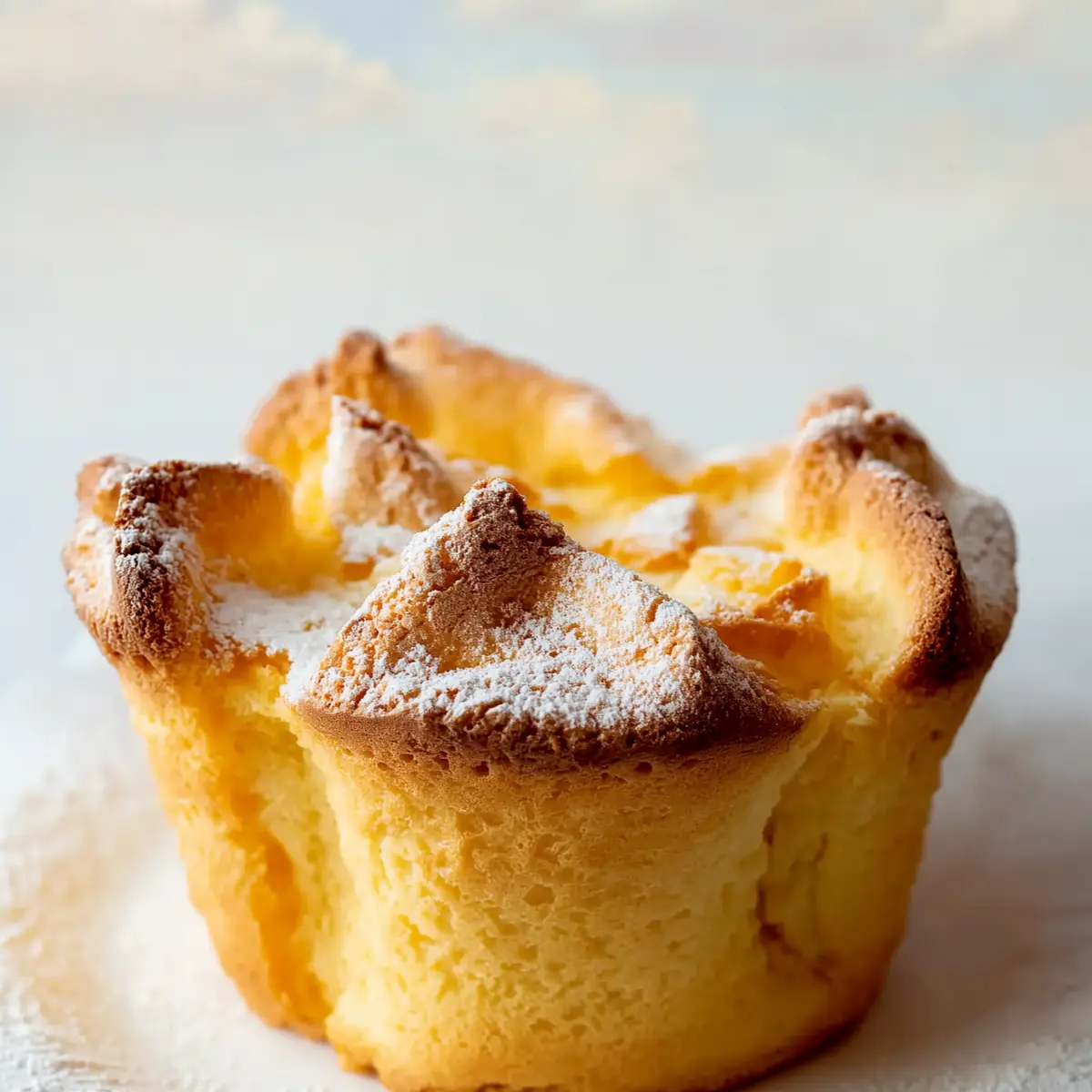
Why Soffioni Abruzzesi Are My Italian Bakery Favorite
Some desserts are all about nostalgia, others about drama—Soffioni Abruzzesi, for me, are an instant mood-lifter. They hail from Abruzzo in central Italy and, to be honest, they feel exactly like something you’d impulse-buy from a bakery window on a sun-drenched piazza. What sets these apart is the contrast: a tender, almost shortcrust-like shell on the outside and an airy, ricotta-based filling on the inside that puffs up beautifully as it bakes.
But the real magic? They look impressive, but secretly, they’re simple enough to make on a weekend with a bit of patience and a whisk. Each bite is lemony, pillowy, and just sweet enough—never cloying. It’s this balance that makes them work for breakfast, dessert, even as a sweet snack with coffee or tea. If you love the idea of rustic Italian baking that doesn’t require perfection, Soffioni Abruzzesi are for you. Bonus: they smell absolutely amazing fresh out of the oven.
What Goes Into Soffioni Abruzzesi
Here’s what brings these homemade Italian pastries to life:
- Flour – creates the backbone for the pastry shell, giving just enough structure without heaviness.
- Salt – a tiny pinch makes all the flavors pop, especially in the dough.
- Eggs – divided between dough and filling for both structure and airy, soufflé-like lift.
- Olive oil – adds a subtle, fruity moisture to the pastry, keeping it from feeling dry or bland.
- Granulated sugar – sweetens both dough and filling without overpowering the lemon and ricotta.
- Lemon (zested) – that hint of citrus transforms the custard, adding freshness and aroma throughout each bite.
- Ricotta cheese – the heart of the filling; creamy, mild, and dreamy. Try full-fat for the richest flavor, but the technique works with almost any ricotta.
- Vanilla extract – brings warmth and gentle sweetness to the filling, rounding out the flavors.
- Lemon juice – just a splash, helping the egg whites whip up light and stable for the fluffiest result.
- Icing sugar (optional) – for a snowy dusting on top just before serving. It’s classic and makes them look straight from a bakery.
See the recipe card below for the full list of ingredients and measurements.
How to Bake Soffioni Abruzzesi at Home, Step by Step
Ready to turn basic ingredients into little puffs of Italian happiness? Here’s how it plays out in the kitchen:
- Start with the pastry dough. Grab a medium bowl and whisk together flour and a pinch of salt. In a larger bowl, beat an egg until just blended, then drizzle in the olive oil and a bit of sugar. Bring the dry ingredients in, mixing until you have a lumpy, shaggy dough. Now get in there with your hands, kneading until it just holds together and feels mostly smooth. Roll it into a ball, wrap it tightly, and let it rest in the fridge. That chill time is what makes the pastry easier to handle and roll out, so don’t skip it—even if you’re impatient.
- Make the ricotta filling. Separate two eggs, putting yolks in one bowl and whites in another. To the yolks, add the rest of the sugar and lemon zest, whisking vigorously until the mixture is pale, fluffy, and almost mousse-like. Blend in ricotta and vanilla, smoothing out any lumps.
- Whip the egg whites. Add a drop of lemon juice to the egg whites and beat (a stand mixer or hand mixer makes this breeze) until the mixture forms stiff peaks that won’t slip off your whisk. Take a spatula and gently fold the whipped whites into your ricotta batter in batches, moving in soft, swooping motions. The goal: a filling that’s light yet sturdy enough to hold its shape.
- Prep your tins. Lightly dust a muffin tray with flour. Remove the chilled dough and break it into even pieces. Working on a floured surface, roll each piece into a thin square—no need for perfection; the rustic, crimped look is part of the charm.
- Line and fill. Ease each pastry square into your muffin cups, draping the edges so they hang over the sides. Spoon in the ricotta filling (generously—let it dome a bit), and then fold the pastry flaps over the top, tucking them gently but not sealing completely. Leave a little opening for the filling to puff and color.
- Bake to golden puffs. Slide the tray into a preheated oven and bake until the tops are bronzed and slightly cracking. When they look set, lower the temperature so the centers finish gently without burning the crust. They’ll rise and fall a bit as they cool, leaving a craggy, rustic look.
- Finishing touch. Let them sit in the tin until just warm—this helps the filling set up and makes unmolding a breeze. For the final flourish, dust with icing sugar. The contrast of soft, creamy center and crisp-crumbly edge is pure joy, every time.
My Tricks for Soffioni Abruzzesi That Rival an Italian Granny
Let’s face it—Soffioni Abruzzesi aren’t hard, but a few small tweaks can make your batch the one everyone talks about.
If you find your pastry dough too crumbly or hard to roll, don’t stress—Abruzzo grandmothers have probably muttered a few words over their dough, too. If needed, work in an extra splash of olive oil or a drizzle of water, just until it holds without cracking. The dough should feel soft but not sticky. For extra tenderness, roll it thin—these pastries taste best with a delicate shell.
On the filling: room temperature ricotta makes everything smoother, and folding in the egg whites gently (almost lazily) keeps things wonderfully airy. You want streaks to disappear, but don’t collapse all that fluffiness. Over-mixing is the enemy of puff!
Watch your oven as the tops color—some ovens run hot, and these pastries can darken faster than you expect. Start checking color early and don’t be afraid to tent with foil if needed for the last few minutes. If the pastries resist coming out of the pan, let them cool a bit more; patience helps avoid breakage.
For storage, cooled Soffioni are fine at room temperature for a day but keep best in the fridge. Just bring back to room temp before serving for maximum softness.
Serving Twists and Pairings for Soffioni Abruzzesi
Soffioni Abruzzesi can go from brunch centerpiece to midnight snack with a few simple moves. Serve them just as they are, lightly dusted with icing sugar, on a big platter beside an espresso pot for pure Italian-café vibes. They’re gorgeous with tea, but honestly, they shine all day long—think Easter tables, spring brunches, or casual Sunday gatherings.
For a fun variation, try swapping in orange zest or a touch of cinnamon for a warmer flavor. You can even add a spoonful of mini chocolate chips to the filling for kid-approved (or chocoholic) appeal. If you love nuts, slivered almonds scattered on top before baking add a subtle crunch.
Pair them with a bright, citrusy fruit salad or a platter of fresh berries to cut the richness. Leftovers (if you have them!) are a surprising treat the next morning, especially if you reheat just enough to revive that freshly baked aroma. And yes, they freeze—wrap individually and defrost as needed for future cravings.
FAQs about Soffioni Abruzzesi
Can I make Soffioni Abruzzesi in advance?
Absolutely! You can prep Soffioni Abruzzesi a day ahead and store them in an airtight container in the fridge. Bring them to room temperature before serving, or quickly warm them in a low oven for a freshly-baked feel.
Can I freeze Soffioni Abruzzesi after baking?
Yes, these pastries freeze well. Wrap each one tightly in plastic or pop into a freezer bag. When you’re ready, thaw at room temperature and reheat gently in the oven to bring back their texture and flavor.
What can I use instead of ricotta for the filling?
While ricotta is traditional for Soffioni Abruzzesi, you can substitute mascarpone, farmer’s cheese, or a combination of well-drained cottage cheese and cream cheese. The flavor and texture will shift a bit, but you’ll still get that creamy effect.
Why did my Soffioni Abruzzesi pastry turn out too crumbly?
If your dough feels dry or hard to roll, add a small splash of olive oil or water to help it come together. Make sure not to overwork the dough—gentle handling keeps the crust tender and more manageable.
When you bite into a homemade Soffioni Abruzzesi, you get it: that feather-light ricotta center, the hint of lemon, the flaky pastry all around. They’re proof that rustic Italian baking can feel both fancy and deeply comforting. These make any table feel celebratory—so go on, pour yourself a coffee, grab one fresh out of the oven, and savor a little sweet Italian escape in every bite.
More Delicious Recipes
- Italian Cream Bombs: These delightful pastries feature creamy fillings, making them a sweet complement to the airy texture of Soffioni Abruzzesi.
- Green Velvet Cupcakes with Cream Cheese Frosting: This festive treat combines a rich flavor with a beautiful appearance, perfect for brunch gatherings like Soffioni Abruzzesi.
- Crispy Irish Bacon Potato Skillet: A savory dish that pairs well with the sweet notes of Soffioni, adding a hearty balance to your brunch table.

Soffioni Abruzzesi
Ingredients
Equipment
Method
- In a medium bowl whisk together 1 1/3 c of flour and 1/8 tsp of salt. In another bigger bowl beat the egg with a fork or a whisk, just until the egg white and yolk are blended. Whisk in oil and 3 tbsp of granulated sugar. Add sifted flour and salt mixture and first mix the dough with a spoon and then knead the dough with your hands until all ingredients are incorporated and the dough is smooth. Roll the dough into a ball, wrap it in cling wrap and refrigerate for 1 hour.
- Separate the remaining 2 egg yolks from egg whites and keep both in different bowls.
- In a bowl with yolks add the 5 tbsp of sugar and 1/4 tsp of lemon zest. Using a hand whisk, mix until the mixture is fluffy and light (about 5 minutes).
- Add 7 oz of Ricotta cheese, 1 tsp vanilla extract and continue whisking until cream is smooth.
- In a bowl with egg whites, add 1/4 teaspoon of lemon juice and using a hand mixer, beat egg whites until stiff peaks. Using a spatula, slowly fold the egg whites into the Ricotta cream.
- Preheat the oven to 350 F and lightly dust the muffin pan cavities with a bit of flour.
- Remove the dough from the fridge and divide it into 6 pieces. Lightly dust a rolling pin and working surface with flour and roll out each piece of dough into a square. It doesn't have to be perfect.
- Arrange the squares among muffin pan cavities and leave out the flaps. Fill the squares with Ricotta cream and close the flaps.
- Bake for 30 minutes. Without opening the oven door, reduce the temperature to 325 F and continue baking for 15-20 minutes until tops are brown. Remove Soffioni from the oven, let them cool and then remove from the muffin pan.
- If desired, dust the pastries with some icing sugar.