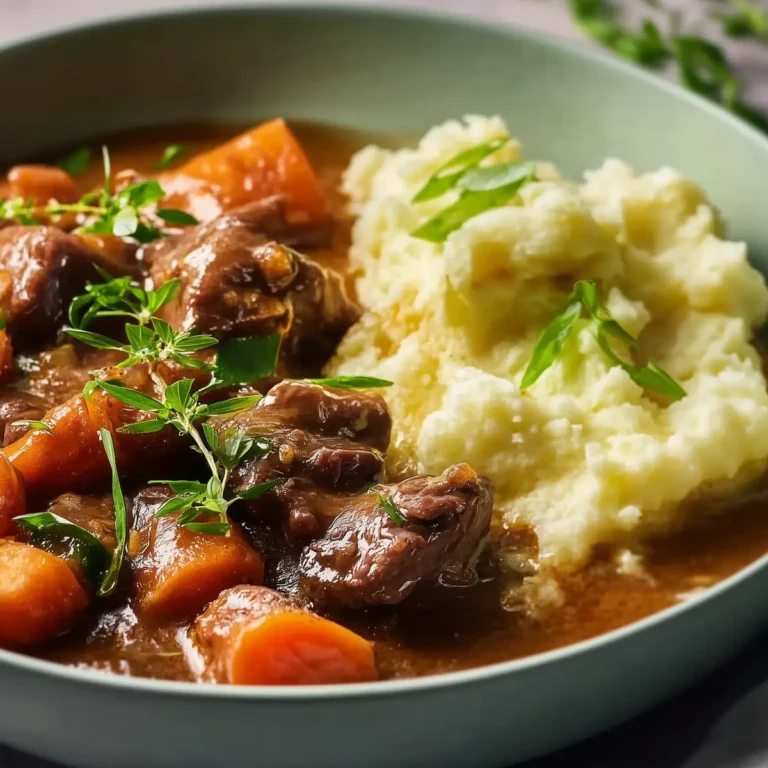
There’s something almost magical about walking into a kitchen filled with the savory aroma of a slow cooked Irish stew with colcannon simmering away on the hob. The deep, malty scent of stout marries tender beef and vegetables, all tangled up in broth so rich you want to mop it up with a big hunk of bread. It’s the sort of meal that calls you to the table before you’ve even set out the bowls, warming you right through down to your toes. On wintry weekends, or when the world feels cold and grey, I find myself craving these layers of flavor—each spoonful a taste of comfort and tradition. Slow cooked Irish stew with colcannon isn’t just food, it’s a return to moments spent with friends, laughter echoing as the pot bubbles gently in the background.
What Makes This Slow Cooked Irish Stew with Colcannon So Irresistible
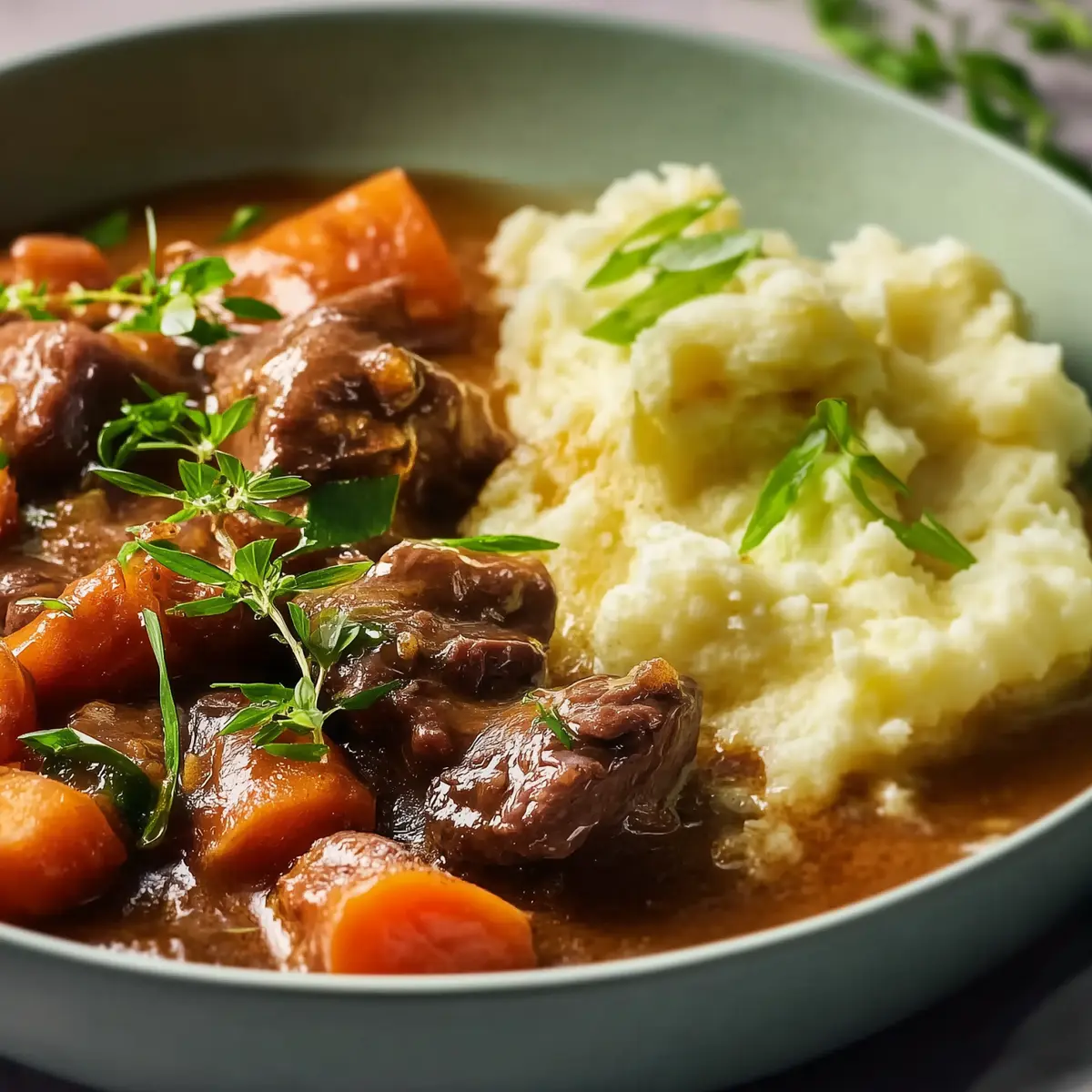
If ever a meal could transport you to a cozy Irish cottage, it’s a slow cooked Irish stew with colcannon. The beauty of this dish is in the way time and patience transform simple ingredients into something altogether more luxurious. Long, gentle cooking melds beef with Guinness, layering savoriness and the sort of depth that can’t be rushed. Carrots and onion turn silkier, soaking up all that flavor along the way, and each bay leaf and sprig of thyme brings its own subtle whisper to the pot. Pair the stew with a heap of creamy colcannon—mashed potatoes laced with greens and plenty of butter—and you’ve got warmth in every bite. It’s hearty without being heavy, and deeply satisfying whether served up to a crowd or savored on your own beside a roaring fire.
The Ingredients That Make This Stew a Classic
The alchemy of slow cooked Irish stew with colcannon happens when a handful of humble ingredients are carefully chosen. Here’s why each one matters:
- olive oil – gives the beef a golden sear and starts the flavor-building from the very first sizzle.
- Chuck roast – this cut breaks down beautifully over hours, yielding meltingly tender meat and hearty richness in the broth.
- Onion – sweetens and deepens the stew as it softens, creating a gentle backbone for all the flavors.
- Celery – adds a fresh, slightly herbal note that keeps things bright and balanced.
- Garlic – best when freshly minced, it infuses the stew with savory aroma and earthy warmth.
- Guinness stout – lends a malty, bittersweet dimension that sets this stew apart from ordinary beef stews.
- Beef stock – a robust foundation, giving the whole pot a lingering depth and fullness.
- Tomato paste – offers subtle acidity and a touch of umami, bringing balance.
- Worcestershire sauce – just a splash delivers layers of savory, tangy complexity.
- Salt – brings out every nuance, lifting all the flavors from bland to bold.
- Pepper – a bite of gentle heat that perks up the finish.
- Thyme – infuses the stew with earthy, comforting green notes that sing with the beef.
- Bay leaves – dramatically deepen the aroma; remove them before serving, but don’t skip their presence in the pot.
- Carrots – add color, natural sweetness, and texture that holds up to long simmering.
- Smoked paprika – sneaks in a whisper of smokiness, making the broth just a bit more intriguing.
- Parsley – gets scattered across the top for a burst of color and grassy freshness right before serving.
See the recipe card below for the full list of ingredients and measurements.
Bringing This Slow Cooked Irish Stew with Colcannon Together
Great stew is all about respecting each step, letting the flavors build slowly and steadily as the dish transforms. Here’s how I bring this slow cooked Irish stew with colcannon from raw ingredients to pure comfort:
- Begin by patting the beef dry and seasoning generously with salt and pepper. Get your heaviest pot hot, then add a drizzle of olive oil. Brown the beef in batches so you get a dark, flavorful crust—don’t rush this step, the fond in the bottom is where magic starts.
- Once the meat is browned, set it aside and toss in chopped onion and celery. Let them soften and pick up the flavorful bits left in the pot, then add freshly minced garlic for one more minute until fragrant.
- Pour in the Guinness, scraping every last caramelized sticky bit from the pot bottom. Let it bubble briefly to cook off the harshness while keeping all those toasty flavors.
- Return the beef to the pot with any juices, then stir in beef stock, tomato paste, Worcestershire sauce, thyme, bay leaves, smoked paprika, and carrots.
- Bring the stew to a gentle simmer, then reduce the heat and cover. Let it cook slowly until the beef is fork-tender and the vegetables soft, stirring occasionally. Skim off any excess fat that rises.
- Taste for seasoning toward the end—you want a savory-sweet richness, balanced by just a bit of brightness.
- Before serving, fish out the bay leaves and finish with chopped parsley scattered over top. Spoon generous portions of stew into bowls alongside mountains of creamy colcannon for that true Irish experience.
Finding That Perfect Depth of Flavor and Tenderness
If there’s a secret to unforgettable slow cooked Irish stew with colcannon, it’s in coaxing out every bit of flavor during those slow, lazy hours. Browning the beef until it’s deeply golden forms the stew’s backbone—skip this, and you’ll notice. Letting the Guinness reduce a bit before adding everything else keeps the beer’s edge mellow and leaves you with just its malty soul. The long simmer lets connective tissue melt away, so the meat practically falls apart as you lift your spoon. It’s tempting to turn up the heat, but patience wins every time; low and slow means each bite is silky and deeply infused. And finally, a last-minute scattering of parsley wakes the whole bowl up, so it tastes vibrant instead of weighed down.
Tips, Variations, and Serving Ideas for Irish Stew and Colcannon
For the most mouthwatering results, always brown your beef in small batches, even if it takes an extra few minutes—the savory payoff is worth it. If you don’t have Guinness on hand or want to skip the alcohol, you can use extra beef stock and a splash of balsamic vinegar for a touch of depth. If you prefer lamb or have a mix in the fridge, swap out the beef entirely or blend the two meats for a nuanced twist. Feel free to add parsnips or swap carrots for sweet potatoes if you’re riffing on tradition. When it comes to colcannon, any sturdy winter green will do for folding into your mash—from kale to cabbage, just chop finely and cook until wilted.
Store leftover stew and colcannon in separate containers in the fridge—they’ll both hold up for several days, only getting more flavorful. Gently reheat on the stove, adding a splash of stock to loosen the consistency if needed. If you’re planning ahead, this stew is a dream for batch cooking: it freezes well, though potatoes can get a little grainy, so make fresh colcannon when you’re ready to serve. Ladle the stew into wide bowls and nestle a generous scoop of colcannon right in the center, then scatter more chopped parsley or a knob of butter over the potatoes for an extra layer of comfort.
FAQs about Slow Cooked Irish Stew with Colcannon
Can I make slow cooked Irish stew with colcannon ahead of time?
Absolutely—this is one of those rare dishes that only improves with a little rest. You can cook the stew a day in advance and reheat gently, letting the flavors deepen overnight. Prepare the colcannon fresh or rewarm it right before serving for the creamiest texture.
What can I use if I don’t have Guinness?
If you’re out of stout, you can swap in extra beef stock with a splash of balsamic vinegar or a little coffee for richness. Any dark beer works, but even a nonalcoholic version or just more broth will still deliver a satisfying stew.
Can slow cooked Irish stew with colcannon be frozen?
The stew itself freezes beautifully, though potatoes sometimes turn slightly grainy after thawing. For best results, freeze the stew alone and make a fresh batch of colcannon when you’re ready to serve.
How should I store and reheat leftovers?
Cool the stew and colcannon separately and store in airtight containers in the fridge. Reheat the stew gently on the stove or in the microwave, adding a bit of extra stock if needed to loosen. Warm colcannon over low heat with a splash of milk and a pat of butter stirred in.
What else pairs well with slow cooked Irish stew with colcannon?
This dish is a meal all on its own, but it’s wonderful with crusty brown bread or a side of roasted vegetables. For a celebration, try serving with a crisp green salad and a glass of Irish ale.
After a long simmer, ladling out this slow cooked Irish stew with colcannon feels like sharing a little piece of culinary heritage. The broth hugs every vegetable, the meat shreds with no effort, and the colcannon catches just enough gravy to make every forkful irresistible. Find a chilly evening, pull out your heaviest pot, and sink into the kind of meal that turns kitchen time into memory making—there’s simply nothing better than tasting the comfort in every bite.
More Delicious Recipes
- Crispy Irish Bacon Potato Skillet: This dish combines hearty ingredients similar to the stew, making it a great companion for Irish flavors.
- Guinness and Irish Cheddar Macaroni and Cheese: This recipe features the rich taste of Guinness, like in the stew, creating a cozy comfort meal.
- St. Patrick’s Day Chocolate Guinness Bundt Cake with Stout Glaze: An indulgent dessert that uses Guinness, delighting your palate and making a festive offering alongside the stew.

Slow Cooked Irish Stew with Colcannon - thegirlskitchen
Ingredients
Method
- Begin by patting the beef dry and seasoning generously with salt and pepper. Get your heaviest pot hot, then add a drizzle of olive oil. Brown the beef in batches so you get a dark, flavorful crust—don’t rush this step; the fond in the bottom is where magic starts.
- Once the meat is browned, set it aside and toss in chopped onion and celery. Let them soften and pick up the flavorful bits left in the pot, then add freshly minced garlic for one more minute until fragrant.
- Pour in the Guinness, scraping every last caramelized sticky bit from the pot bottom. Let it bubble briefly to cook off the harshness while keeping all those toasty flavors.
- Return the beef to the pot with any juices, then stir in beef stock, tomato paste, Worcestershire sauce, thyme, bay leaves, smoked paprika, and carrots.
- Bring the stew to a gentle simmer, then reduce the heat and cover. Let it cook slowly until the beef is fork-tender and the vegetables soft, stirring occasionally. Skim off any excess fat that rises.
- Taste for seasoning toward the end—you want a savory-sweet richness, balanced by just a bit of brightness.
- Before serving, fish out the bay leaves and finish with chopped parsley scattered over top. Spoon generous portions of stew into bowls alongside mountains of creamy colcannon for that true Irish experience.