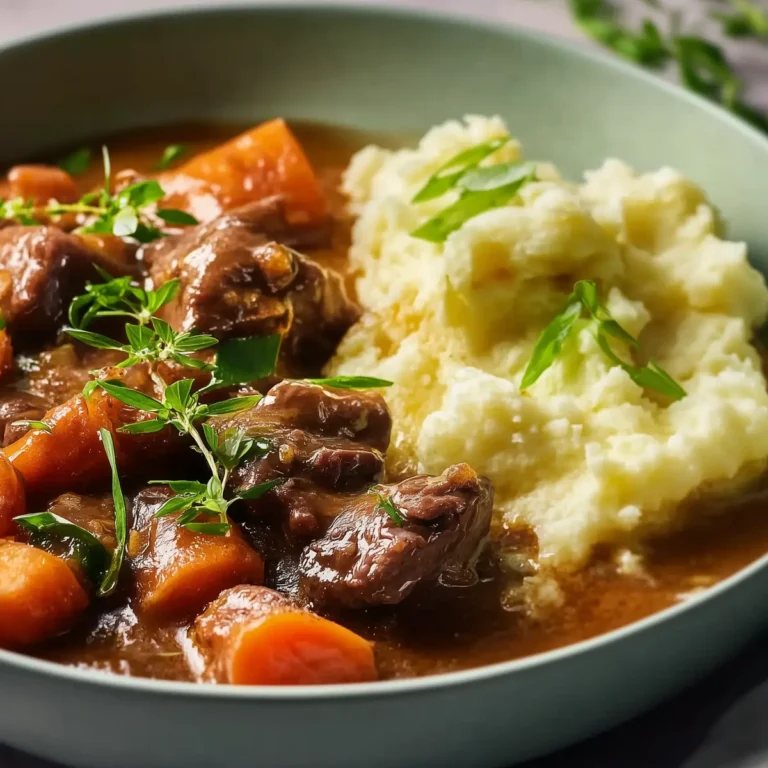
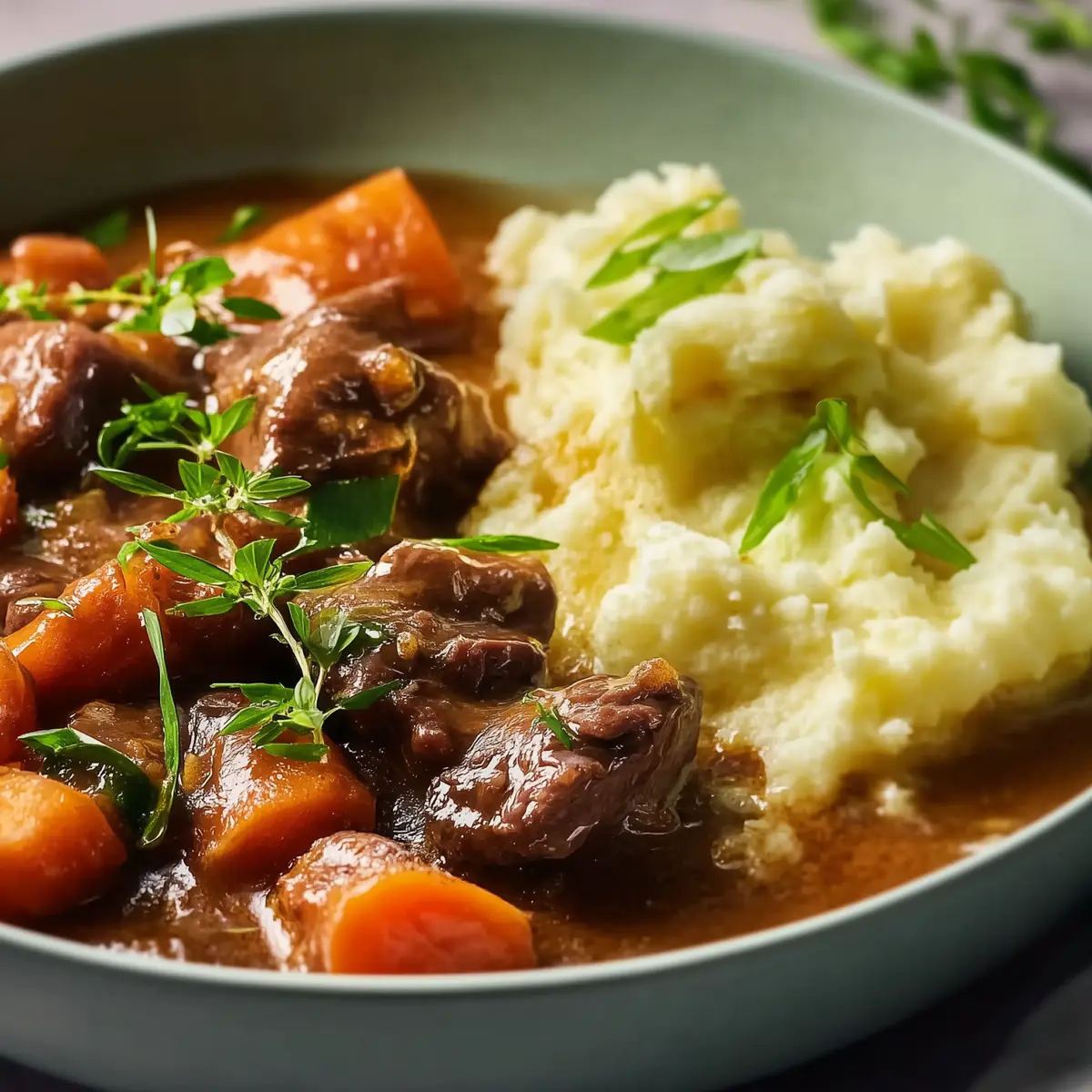
There’s something about the scent of slow cooked Irish stew filling the kitchen that turns any gray afternoon into a celebration. I always find myself hovering by the pot, spoon in hand, pulled in by the savory, malty warmth. This slow cooked Irish stew with colcannon is one of those recipes that feels like an edible hug—savory beef melting into a glossy gravy, carrots and onions softened just so, and all of it ladled over mounds of buttery, scallion-studded mashed potatoes. When the winds are sharp and you want food that’s equal parts comfort and tradition, this is the dish I crave most.
What Makes This Slow Cooked Irish Stew with Colcannon So Irresistible
Nothing compares to a stew that’s had time to work its magic—hours for the beef to become spoon-tender, for earthy vegetables to melt into the sauce, and for all those little flavors to become so much more than the sum of their parts. This isn’t just a one-pot meal; it’s a classic Irish tradition, made even more comforting with a scoop of creamy colcannon underneath, soaking up every drop. Each bite is rich, satisfying, and layered—dark with Guinness, brightened by a touch of parsley, grounded in thyme, and luscious thanks to that slow gentle braise. It’s a dish that makes every chilly day something to look forward to.
The Ingredients That Bring This Stew and Colcannon to Life
Each ingredient here plays a role in building big, bolstering flavor and that old-world coziness you expect from a slow cooked Irish stew with colcannon.
- Olive oil – does double-duty, giving gorgeous sear to the beef and lending a mild, peppery finish to the base.
- Chuck roast – deeply marbled and perfect for slow simmering, giving you those meltingly tender bites.
- Onion – provides gentle sweetness and body as it softens into the broth.
- Celery – its aromatic edge lifts the whole stew, balancing all the richer flavors.
- Garlic – freshly minced is key, mellowing as it cooks to add a savory backbone.
- Guinness stout – brings a roasty depth and just a touch of bitterness that works wonders for complexity (substitute with another stout if needed).
- Beef stock – the bedrock of your stew; choose a robust stock for that real, deep flavor.
- Tomato paste – just a little rounds out the flavor and enriches the gravy’s color.
- Worcestershire sauce – subtle but essential, it delivers savory, aged umami notes.
- Salt – draws out flavors and balances the profile.
- Pepper – adds warmth and a gentle bite.
- Thyme – a defining herb, earthy and floral, it brings everything together.
- Bay leaves – infuse the stew with their trademark woodsy aroma.
- Carrots – their sweetness softens the stout and balances the savoriness.
- Smoked paprika – lends an extra hint of subtle smokiness, making each spoonful more inviting.
- Parsley – just a scattering for fresh, vibrant color and a little grassy brightness at the end.
See the recipe card below for the full list of ingredients and measurements.
How This Slow Cooked Irish Stew with Colcannon Comes Together
Building a slow cooked Irish stew with colcannon is never about rushing. It’s about coaxing flavor at every stage and letting time do most of the heavy lifting.
- Start by taking your cubed beef and blotting it dry—this helps the olive oil work its searing magic. Brown the beef in batches over a hot pan until each side picks up a deep amber crust, setting the stage for that rich base.
- Remove the beef, then toss in chopped onions and celery. Let them soften in the residual oil, scraping up any caramelized bits—these are golden layers of flavor you don’t want to rush.
- In goes minced garlic, just until fragrant. Stir in tomato paste and smoked paprika, letting them sizzle for a minute so their flavors bloom.
- Now pour in Guinness, working those browned bits off the pan. The kitchen should already smell amazing at this point, earthy and malty with a heady promise of what’s to come.
- Return the beef to the pot along with carrots, Worcestershire sauce, thyme, bay leaves, salt, pepper, and beef stock. Bring it barely to a simmer, cover, and let everything meld on low heat. You’re after a gentle burble—not a boil—so the meat slowly becomes fork-tender.
- While the stew works its magic, prepare colcannon using your favorite recipe—think fluffy mashed potatoes loaded with sautéed greens and scallions, extra buttery.
- After a few hours, the stew should be rich and thick, glistening and deeply aromatic. Fish out the bay leaves and check for seasoning before serving.
- Spoon the stew over warm colcannon, finish with parsley, and maybe a final crack of black pepper for good measure.
Achieving That Silky Stew Gravy and Tender Beef
One of the things I love most about a slow cooked Irish stew with colcannon is that silky, glossy gravy. Getting there means giving the beef plenty of time to break down on low heat—rushing only leads to tough bites and watery sauce. Letting the Guinness and stock reduce slowly turns the broth rich and spoon-coating, especially with the soft onions and carrots sweetening as they go. If you notice the sauce is a bit thin at the end, just uncover for the last 20 minutes to help it thicken. And if you want extra decadence, mash a few cooked carrots right into the stew for body.
Serving This Slow Cooked Irish Stew with Colcannon for Maximum Comfort
This dish is pure comfort, perfect for Sunday suppers or any time you need a hearty, belly-warming meal. I love piling generous spoonfuls onto a bed of colcannon and letting the stew pool around the creamy edges. Leftovers keep well—if you have extra, stash it in the fridge for up to three days (it honestly gets more flavorful overnight). Gently reheat on the stove, adding a splash of water if the stew thickens too much. As for swaps or tweaks: use lamb in place of beef for a classic twist, toss in parsnips or turnips to stretch out the veg, or add a little extra stout if you love that malty depth. Serve with rustic bread or a pint on the side, and you really can’t go wrong.
FAQs about Slow Cooked Irish Stew with Colcannon
Can I use a different cut of beef for the stew?
You can substitute chuck roast with stewing beef or brisket if that’s what you have on hand. Just make sure the pieces are well-marbled so they stay tender during long cooking—leaner cuts may turn out a bit dry.
Can I make slow cooked Irish stew with colcannon ahead of time?
Absolutely, this dish actually improves with time. Let the stew cool, then chill it overnight. Reheat on the stove over low heat until hot, and make a fresh batch of colcannon just before serving for the best texture.
How should I store leftovers of slow cooked Irish stew with colcannon?
Store stew and colcannon separately in airtight containers in the refrigerator. The stew will last for up to three days and the colcannon for about two; reheat gently to preserve their creamy and tender qualities.
Can I freeze Irish stew and colcannon?
The stew holds up well in the freezer for up to two months, though the colcannon is best enjoyed fresh. If you do freeze mashed potatoes, they can become grainy—so if possible, freeze only the stew and make fresh colcannon when you’re ready to serve.
What’s the best way to reheat slow cooked Irish stew with colcannon?
Reheat the stew gently in a pot over medium-low heat, adding a splash of water if it seems too thick. Warm colcannon separately, either in the microwave or on the stove, stirring in a little extra butter or milk to revive its creaminess.
After a day spent simmering, the aroma of this slow cooked Irish stew with colcannon never fails to draw everyone to the kitchen. Rich, tender, and undeniably homey, it’s a dish meant for sharing—whether that’s a quiet family evening or a festive gathering. There’s something deeply satisfying about letting flavors build over time and ending up with a bowl that tastes of comfort and tradition. Ladle it up, and settle in for that cozy bite—every bit as warming as you hoped.
More Delicious Recipes
- St. Patrick’s Day Chocolate Guinness Bundt Cake with Stout Glaze: This rich cake uses Guinness to enhance its flavor, making it a perfect dessert to follow your hearty Irish stew.
- Crispy Irish Bacon Potato Skillet: This dish features comforting potatoes and savory bacon, complementing the heartiness of your Irish stew meal.
- Guinness and Irish Cheddar Macaroni and Cheese: A creamy mac and cheese with a touch of stout that enhances the comfort-food theme found in your stew.

Slow Cooked Irish Stew with Colcannon - thegirlskitchen
Ingredients
Method
- Start by taking your cubed beef and blotting it dry—this helps the olive oil work its searing magic. Brown the beef in batches over a hot pan until each side picks up a deep amber crust, setting the stage for that rich base.
- Remove the beef, then toss in chopped onions and celery. Let them soften in the residual oil, scraping up any caramelized bits—these are golden layers of flavor you don’t want to rush.
- In goes minced garlic, just until fragrant. Stir in tomato paste and smoked paprika, letting them sizzle for a minute so their flavors bloom.
- Now pour in Guinness, working those browned bits off the pan. The kitchen should already smell amazing at this point, earthy and malty with a heady promise of what’s to come.
- Return the beef to the pot along with carrots, Worcestershire sauce, thyme, bay leaves, salt, pepper, and beef stock. Bring it barely to a simmer, cover, and let everything meld on low heat. You’re after a gentle burble—not a boil—so the meat slowly becomes fork-tender.
- While the stew works its magic, prepare colcannon using your favorite recipe—think fluffy mashed potatoes loaded with sautéed greens and scallions, extra buttery.
- After a few hours, the stew should be rich and thick, glistening and deeply aromatic. Fish out the bay leaves and check for seasoning before serving.
- Spoon the stew over warm colcannon, finish with parsley, and maybe a final crack of black pepper for good measure.