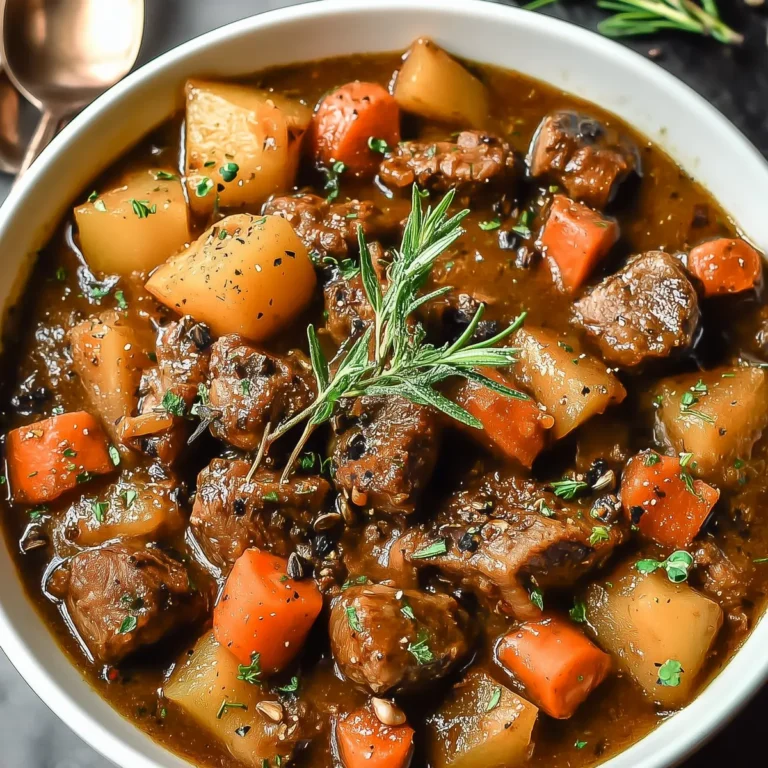
The aroma that fills my kitchen when I make this Slow Cooked Irish Stew with Colcannon is pure comfort—deep, earthy, and utterly inviting, especially on chilly evenings. There’s something timeless about the way tender, slow-simmered beef mingles with sweet carrots, fresh herbs, and a malty splash of stout. The entire house practically leans in, asking, “Is it ready yet?” Stew night in our home is never complete without a creamy mound of colcannon alongside, its buttery richness soaking up every restorative spoonful. This recipe is special not just for its roots in Irish tradition, but for how it turns the simplest ingredients into an unforgettably cozy meal.
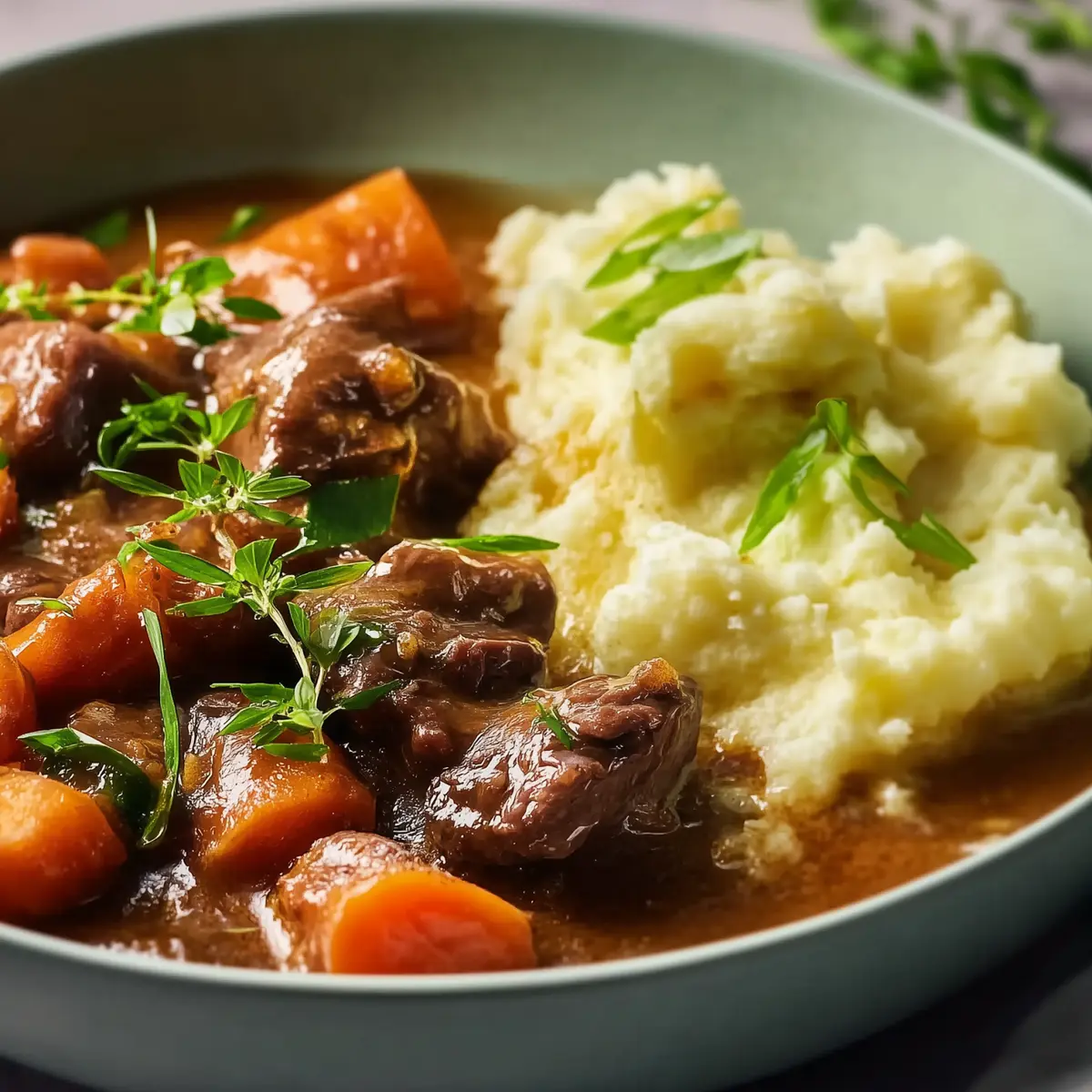
What Makes This Slow Cooked Irish Stew with Colcannon So Irresistible
There’s a reason Irish stew has an almost mythical reputation for comfort: every spoonful delivers hearty beef, meltingly soft carrots, and a deep, layered broth with the unmistakable stamp of Guinness. The slow cooking lets every ingredient shine, softening the onion and celery into sweet background notes while the fresh herbs sink right in. The payoff? A symphony of savory warmth that tastes like a hug from the inside out. Pairing it with traditional colcannon—Irish mashed potatoes laced with cabbage or greens—turns a humble meal into something honestly celebratory. I love serving this on stormy nights or when family gathers and you need a dish that brings easy smiles and full bellies.
The Ingredients That Bring This Irish Stew and Colcannon to Life
Every ingredient here tells a story of depth and coziness, and together they create that unmistakable stew comfort. Here’s what goes into making this classic shine:
- Olive oil – gives the beef a beautiful sear and rounds out the stew with a gentle richness.
- Chuck roast – delivers deeply beefy bites that become impossibly tender as they slow-cook.
- Onion – cooks down to almost sweet threads, adding body and aromatic warmth.
- Celery – slips in subtle earthy background notes that balance the richness.
- Garlic – freshly minced for punch and big flavor in the base.
- Guinness stout – layers in those trademark malty, slightly bitter undertones for authentic Irish soul.
- Beef stock – a rich liquid backbone, tying everything together with slow-cooked depth.
- Tomato paste – brings a gentle tang and a touch of umami to the broth.
- Worcestershire sauce – adds depth, a shadow of savoriness that lingers at the finish.
- Salt and pepper – keep the flavors balanced and sharp.
- Thyme and bay leaves – classic herbaceous notes that infuse every spoonful.
- Carrots – soft nuggets of sweetness that contrast perfectly with the deeply savory flavors.
- Smoked paprika – adds a whisper of smokiness and color.
- Parsley – a fresh, green finish just before serving.
See the recipe card below for the full list of ingredients and measurements.
Bringing This Slow Cooked Irish Stew with Colcannon Together Step by Step
Let’s talk about how this stew comes together for maximum flavor and that impossibly tender texture:
- Start by searing the beef cubes in a hot pot with olive oil until each side is gorgeously browned—don’t rush this part, it’s what builds that first layer of deep, meaty flavor.
- Scoop out the browned beef, then toss in chopped onions and celery. Let them soften and take up all those caramelized bits left behind in the pan. Add garlic toward the end, just until fragrant, so it doesn’t burn.
- Stir in tomato paste and smoked paprika, letting them cook briefly to take away the raw edge and draw out their boldness.
- Pour in the Guinness stout, scraping the bottom of the pot with a wooden spoon. Cook for a minute or two so its bitterness mellows and the alcohol cooks off.
- Add the beef back in, followed by beef stock, Worcestershire sauce, bay leaves, thyme, salt, and pepper. The liquid should almost cover the beef and veg, promising a hearty stew.
- Bring the pot to a lazy simmer, cover, and let it cook on low. Patience wins here—the longer the stew gently bubbles, the more each flavor deepens and the beef gets fork-tender.
- After a good stretch, add the sliced carrots. They stay vibrantly orange, soaking up flavor without turning mushy.
- Just before serving, fish out the bay leaves and sprinkle in chopped parsley for freshness. Serve the piping-hot stew ladled over or alongside a heap of creamy colcannon.
Nailing That Slow-Simmered Flavor and Fork-Tender Texture
There’s a world of difference between a stew that’s just “good” and one that makes you stop mid-bite. For that true Slow Cooked Irish Stew with Colcannon experience, the key is proper browning and an unhurried simmer. Take time with the meat at the start—a deep golden crust locks in savoriness you’ll taste in every mouthful. Keep the temperature gentle, just enough to bubble lazily, so tough fibers have hours to break down without turning dry. Add carrots mid-way to keep their color and bite, and don’t rush the finishing herbs—they’re like that last brushstroke on a countryside painting. The result is a stew that’s rich but never heavy, with silky broth and beef that you can practically eat with a spoon.
Serving Ideas, Tips, and Variations for Irish Stew with Colcannon
There’s no wrong way to dish up this stew, but a few tips will guarantee the best results every time. Make sure to use a heavy pot that holds heat well—that way, everything cooks gently and evenly. If you’re tempted to tweak, lamb can step in for beef if you want a nod to old-school Irish tradition, and you can add parsnips or potatoes to the stew itself if you’re feeling extra hearty. Don’t skip the colcannon; its buttery, earthy softness is the perfect foil to the rich, dark broth. Leftovers keep beautifully in the fridge for a couple of days—just reheat gently so nothing gets tough. For a make-ahead twist, you can assemble it all up to the simmer and refrigerate overnight, letting the flavors marry and deepen for even more satisfying results.
FAQs about Slow Cooked Irish Stew with Colcannon
Can I substitute the Guinness in this Slow Cooked Irish Stew with Colcannon?
Absolutely, if you prefer to skip the stout, swap in more beef stock or a mild dark ale that you like. The flavor will shift slightly, but the stew will still be delicious and deeply comforting.
What’s the best way to store leftover Irish stew and colcannon?
Store the stew and colcannon in separate airtight containers in the refrigerator. Both will keep well for up to three days; colcannon may need a splash of milk when reheating to maintain its creamy texture.
How do I reheat this Slow Cooked Irish Stew with Colcannon without drying it out?
Reheat the stew slowly in a heavy pot over low heat, stirring now and then. For the colcannon, warm gently on the stovetop or in the microwave, adding extra butter or milk as needed for smoothness.
Can I freeze this Slow Cooked Irish Stew with Colcannon?
You can freeze the stew itself in a freezer-safe container for up to three months. For best texture, make a fresh batch of colcannon when you’re ready to serve, as mashed potatoes can become mealy after freezing.
What are some creative ways to serve leftover Irish stew?
Leftover stew is wonderful spooned over crusty toast, baked atop mashed potatoes with a sprinkle of cheese, or even tucked into hand pies. The flavors deepen as it sits, making leftovers something to look forward to.
The kind of warmth you get from a bowl of Slow Cooked Irish Stew with Colcannon is hard to beat—rich, aromatic beef, carrots so tender they nearly dissolve, and every bite wrapped in a silky broth and buttery mash. There’s a comforting simplicity to its flavors, but the experience always feels special, especially when shared with family or friends around the table. When you need a meal that tastes like home and fills every corner of the house with pure coziness, this Irish classic is always worth the wait.
Discover More Recipes
- St. Patrick’s Day Chocolate Guinness Bundt Cake with Stout Glaze: This cake features Guinness, echoing the stout used in the stew, making it a perfect dessert to follow your Irish meal.
- Crispy Irish Bacon Potato Skillet: This comforting dish incorporates traditional Irish ingredients and is a great side to pair with your stew.
- Guinness and Irish Cheddar Macaroni and Cheese: A rich and creamy twist on mac and cheese, this dish complements the hearty flavors of your Irish stew beautifully.

Slow Cooked Irish Stew with Colcannon - thegirlskitchen
Ingredients
Equipment
Method
- Start by searing the beef cubes in a hot pot with olive oil until each side is gorgeously browned—don’t rush this part, it’s what builds that first layer of deep, meaty flavor.
- Scoop out the browned beef, then toss in chopped onions and celery. Let them soften and take up all those caramelized bits left behind in the pan. Add garlic toward the end, just until fragrant, so it doesn’t burn.
- Stir in tomato paste and smoked paprika, letting them cook briefly to take away the raw edge and draw out their boldness.
- Pour in the Guinness stout, scraping the bottom of the pot with a wooden spoon. Cook for a minute or two so its bitterness mellows and the alcohol cooks off.
- Add the beef back in, followed by beef stock, Worcestershire sauce, bay leaves, thyme, salt, and pepper. The liquid should almost cover the beef and veg, promising a hearty stew.
- Bring the pot to a lazy simmer, cover, and let it cook on low. Patience wins here—the longer the stew gently bubbles, the more each flavor deepens and the beef gets fork-tender.
- After a good stretch, add the sliced carrots. They stay vibrantly orange, soaking up flavor without turning mushy.
- Just before serving, fish out the bay leaves and sprinkle in chopped parsley for freshness. Serve the piping-hot stew ladled over or alongside a heap of creamy colcannon.