Sometimes you’re just standing at the stove, eyeing the clock and craving something bold, warm, and ridiculously slurpable. That’s where Spicy Gochujang Noodle Soup comes in—it’s the easiest way to bring a kick of Korean-inspired flavor right to your kitchen in minutes. The balance of smoky chili paste and savory broth with noodles and toppings is pure comfort, whether you’re winding down on a chilly evening or firing up your lunch break with a hit of spice.
Swirling the noodles through that deep-red broth, your kitchen fills with garlicky, toasty aromas, a hint of sesame and sizzling green onions. And the best part is how customizable the bowl is—soft or jammy egg, a sprinkle of sesame seeds, and just enough chili oil to make your lips tingle.
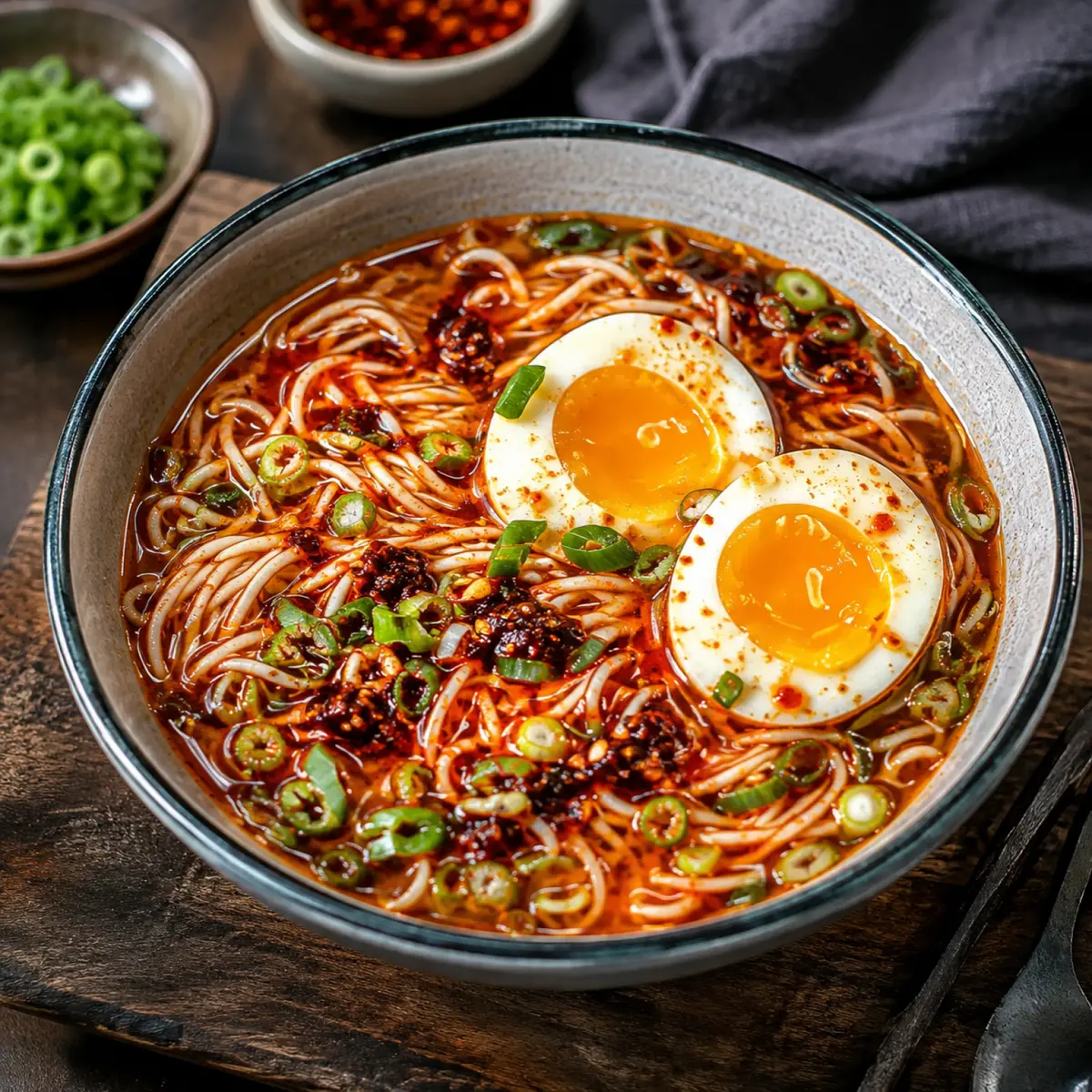
Big Flavor & Warmth in Every Bowl
There’s something instantly comforting about a bowl of spicy, steaming broth layered with noodles and umami-packed toppings. What really sets this Spicy Gochujang Noodle Soup apart is the way it builds flavor so quickly—smoky gochujang, bubbling broth, pops of aromatics, and slippery noodles all come together in no time at all.It’s the go-to soup for those moments when you want maximum comfort with minimal effort. Whether you’re under the weather or just need a pick-me-up after a long day, every spoonful wraps you up in a blanket of bold, deep flavors. That hint of sweetness from sugar, the slight tang of rice vinegar, and the heat and complexity from chili oil make this soup craveable any day of the week.
Ingredient Breakdown for Spicy Gochujang Noodle Soup
The ingredient list for Spicy Gochujang Noodle Soup is short but packed with flavor. Here’s what brings this noodle soup together:- garlic – foundational aromatics for that savory base.
- green onion – aromatic and fresh, with both white and green parts providing layers of flavor and garnish.
- gochujang – the heart of the soup, giving it signature heat, color, and a gentle smokiness.
- sugar – balances the spicy and salty elements for a rounded broth.
- oyster sauce – adds deep umami and a touch of sweetness, enhancing the soup’s richness.
- light soy sauce – delicate saltiness, keeping the broth savory without overpowering.
- rice vinegar – introduces a gentle tang that keeps the broth lively and not too heavy.
- chicken/beef/vegetable broth – the main liquid, carrying all those flavors for slurpy noodle enjoyment.
- noodles – pick your favorite; ramen-style is classic, but almost any type works for this soup.
- hard boiled/jammy egg – creamy, comforting protein to round out the bowl.
- sesame seeds – a nutty topping for crunch and visual appeal.
- chili oil – an optional drizzle for an extra punch of heat and aroma.
See the recipe card below for the full list of ingredients and measurements.
The Fast Method for Perfect Gochujang Noodle Soup
Making Spicy Gochujang Noodle Soup is a breeze—perfect for anyone who wants a deeply flavorful bowl in a snap. Here’s the step-by-step process to get those irresistible results:- Boil your noodles separately until tender but still with a bit of bite. Drain and set aside—this step keeps them from turning soggy in the soup.
- In a heatproof bowl, combine garlic, diced green onions (keep some greens for garnish), and sugar. Meanwhile, heat neutral oil in a small pot until just smoking, then carefully pour the hot oil straight over the bowl’s aromatics. The sizzle releases incredible fragrance and brings sweetness from the green onion and garlic.
- Add gochujang, oyster sauce, light soy sauce, and rice vinegar to this sizzling base. Stir well, then pour in your hot broth and mix again until the soup turns a vibrant, reddish color and everything is blended smoothly.
- Add the cooked noodles into the soup, swirl to coat with spicy broth, and top with your preferred garnishes—egg halves, sesame seeds, reserved green onions, and a swirl of chili oil. Serve steaming hot and dig in.
Pro Tips for the Best Bowl
Getting every bite just right is all about timing, garnish, and a little intuition. Here’s what to keep in mind for your next batch:- Get your oil hot enough: The smoking-hot oil pour is what really wakes up the aromatics. Don’t rush this step—but keep an eye on it to avoid burning your garlic.
- Separate your noodles and soup until serving: If you’re not eating right away, keep noodles and broth separate until just before serving to avoid mushiness.
- Tweak the heat: Not all gochujang pastes have the same kick. Add chili oil or adjust the amount of gochujang based on how spicy you want your soup.
- Visual cues matter: The broth should turn a vibrant reddish-orange, and the oil pour will cause bubbling and a fragrant burst—if you smell toasted garlic and onions, you’re on track.
Watch for overcooking your noodles—slightly undercook if you plan to let them sit in hot broth. And always taste before serving, adjusting saltiness, heat, or tang to your liking.
Ways to Make It Your Own & Serving Ideas
The fun of Spicy Gochujang Noodle Soup is how easy it is to personalize each bowl. Swap noodles for whatever you have on hand—ramen, udon, soba, or even rice noodles all work beautifully.If you want a heartier meal, toss in quick-cooking veggies like bok choy, spinach, or bean sprouts just before serving. For a meatier twist, shredded rotisserie chicken or thinly sliced beef are right at home in the spicy broth. Plant-based? Use vegetable broth and skip the egg or try a soft tofu topping.
Pairing-wise, this soup shines alongside simple kimchi, a cucumber salad, or even steamed dumplings for a bigger spread. Serve extra chili oil or soy sauce on the side, so everyone can level up their own spice.
Keeping and Reheating Spicy Gochujang Noodle Soup
If you find yourself with leftovers, store the broth and noodles separately for best results—this keeps the noodles from soaking up too much liquid and getting mushy. The broth will keep well in the fridge, covered, for a day or two.To reheat, warm the broth gently on the stove or microwave until steaming. Add noodles to the hot broth just before serving, then top with fresh garnishes for that just-cooked feel. Freezing is possible but not ideal, as noodles can lose their texture after thawing; freeze the broth only if needed and make fresh noodles when ready to eat.
FAQs about Spicy Gochujang Noodle Soup
Can I make Spicy Gochujang Noodle Soup vegetarian?
Yes, you can use vegetable broth and skip the egg or try tofu as a topping. Just check your gochujang and sauces to ensure they’re vegetarian-friendly. Since oyster sauce is often not vegetarian, consider a plant-based alternative or extra soy sauce for depth.
What type of noodles works best for this soup?
Ramen noodles are classic, but you can use udon, soba, or rice noodles. Any noodle that holds up well in hot broth can be delicious. Just keep an eye on cook times so they stay pleasantly chewy.
How spicy is Spicy Gochujang Noodle Soup?
The soup has a moderate heat thanks to gochujang and optional chili oil. You can easily adjust the spice by adding more or less to suit your tastes. Everyone’s heat preference is different, so tweak as you like.
How do I keep noodles from getting soggy in the soup?
Keep noodles and broth separate if you plan to store or meal-prep. Combine them only when ready to eat for the best texture. This keeps the noodles springy and the soup lively every time.
Spicy, Satisfying Simplicity
Sometimes the most memorable meals are the ones that come together fast and pack a real punch—Spicy Gochujang Noodle Soup checks every box. With each bite, you get velvety broth, noodles with just the right chew, and a customizable finish that keeps dinner exciting.That savory, spicy steam rising from your bowl signals comfort at its best. Perfect for busy nights or those moments when you crave a homemade kick of heat—grab your chopsticks and savor every slurp.
What To Try Next
If you enjoyed the bold flavors in your spicy noodle soup, these dishes offer delicious variety and satisfying meals to explore.
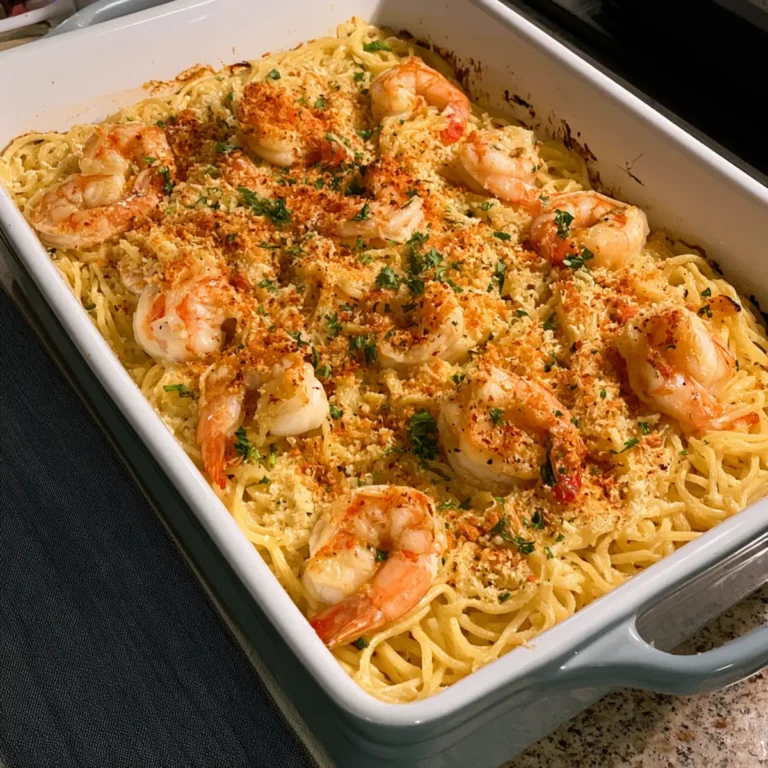
- Cajun Shrimp Pasta — shares a spicy kick with rich noodles for a hearty meal.
- Honey Lime Chicken Burrito Bowl — fresh and vibrant, perfect for a light dinner after a warming soup.
- Creamy Parmesan Italian Sausage Ditalini Soup — offers comforting soup vibes with a creamy texture contrasting nicely with your spicy broth.
Recommended Equipment

Staub 1102285 Cast Iron Casserole with Enamel Interior
Ideal for simmering spicy noodle soup
View on Amazon

Midea Multi-Cooker with Programmes and Measuring Cup
Cooks soup broth and noodles conveniently
View on Amazon* As an Amazon Associate, I earn from qualifying purchases. There is no extra cost to you.

Spicy Gochujang Noodle Soup (10 Minutes)
Ingredients
Equipment
Method
- Boil noodles until cooked and drain. Set aside for later.
- In a bowl, add garlic, green onions and sugar. Heat up neutral oil in a pot on high until smoking (1-2 minutes) then immediately pour the oil in the bowl over the garlic, green onions and sugar.
- Add gochujang, oyster sauce, light soy sauce and rice vinegar. Mix well, then pour the hot broth into the same bowl. Stir well.
- Add noodles and toppings like eggs, sesame seeds, green onions and chili oil. Serve while hot. Enjoy!