It’s late spring, and every market trip means I end up lugging home bags of crisp asparagus and sweet peas, imagining the ways they’ll brighten dinner. When I want a feel-good meal that’s fresh but truly satisfying, nothing hits the spot like Spring Chickpea Pasta Primavera. This dish is lively and easy, bringing the best flavors of the season into a single skillet—plus, it won’t weigh you down, even during the first warm days of the year.
With every bite of this veggie-packed pasta, you get a perfect contrast: zingy lemon, creamy chickpeas, and just-tender greens tumbled with your favorite noodles. If you ever find yourself craving a cheerful dinner that comes together with hardly any fuss, this is the recipe to keep in your spring rotation.
A Burst of Spring in Every Forkful
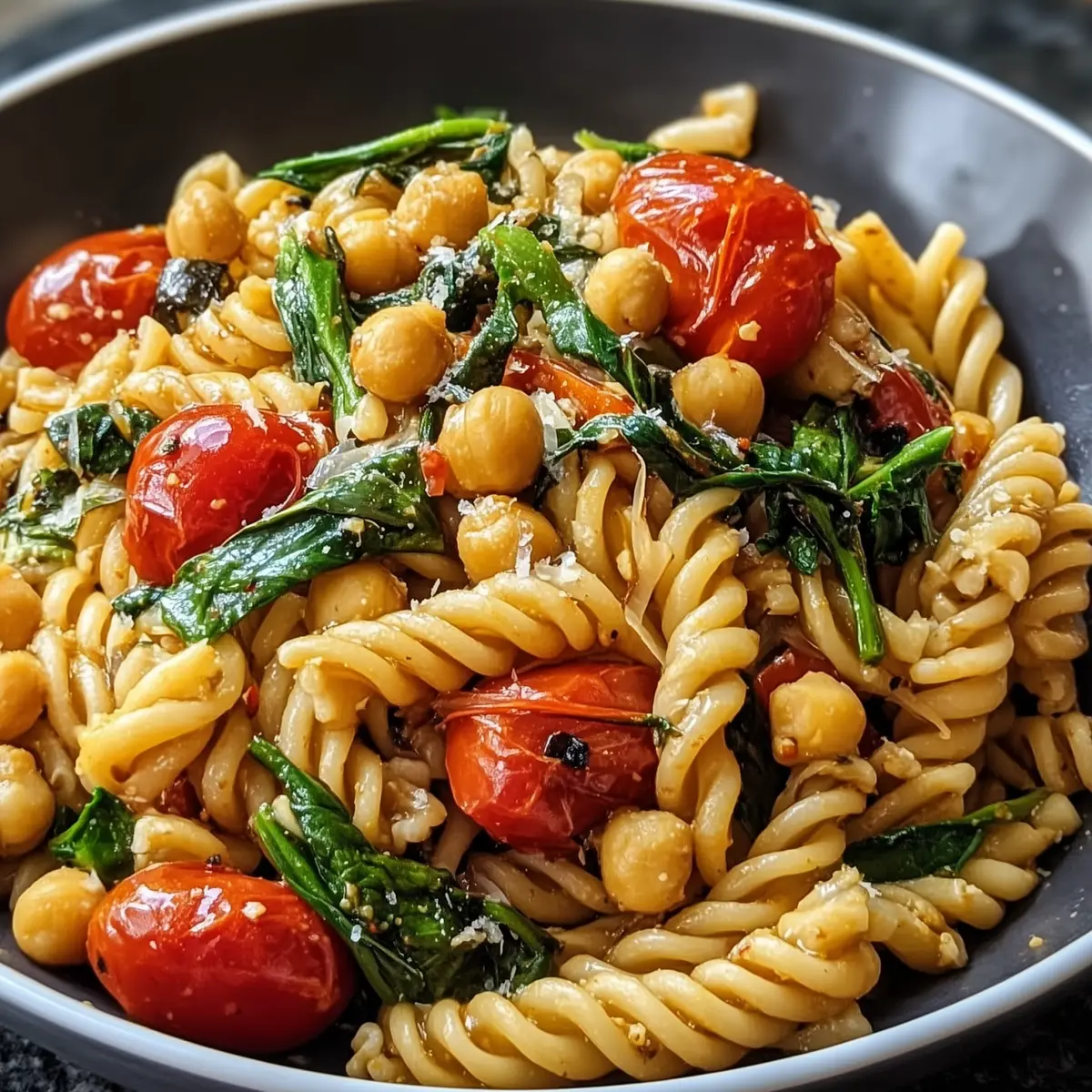
This Spring Chickpea Pasta Primavera brings everything to the table: color, crunch, and so much flavor. With fresh asparagus, sweet peas, juicy tomatoes, and hearty chickpeas, the whole dish eats like sunshine in a bowl. The lemony sauce keeps each bite light and bright, while the basil and Parmesan add those finishing touches that make it taste like a restaurant meal you whipped up at home.
What I love most is the texture play—forkfuls of tender pasta hugging crisp veggies, creamy chickpeas, and little pops of juicy tomato. It’s the kind of meal you could serve at a spring dinner party, but it’s just as perfect tossed together for a weeknight supper when you want something comforting yet fresh. If you’re looking for a vegetarian pasta recipe that feels special but couldn’t be easier, Primavera is your new go-to.
Fresh Ingredients for Spring Chickpea Pasta Primavera
This pasta is all about celebrating the season’s vegetables, creamy chickpeas, and a sauce that’s barely-there but oh-so-tangy. Here’s what you’ll need for a truly standout Spring Chickpea Pasta Primavera:
- pasta – Any short shape works: penne, fusilli, or whatever you love for catching sauce and veggies.
- Chickpeas – These add creamy texture and keep things filling; rinse well for a bright, clean flavor.
- Asparagus – The classic spring veg, snappy and slightly grassy when just-tender.
- Sweet Peas – Bring a subtle sweetness; frozen peas work just as well as fresh.
- Cherry Tomatoes – Halved for bursts of juicy flavor and lovely color throughout the dish.
- Lemon Juice – Makes everything lively and fragrant with that fresh, zesty aroma.
- Olive Oil – Good extra virgin olive oil builds the silky base of the sauce.
- Garlic – Minced and sautéed for savory warmth in every bite.
- Parmesan Cheese – Grated and sprinkled on top; optional, but it’s hard to skip the nutty finish.
- Fresh Basil – Torn at the end for peppery fragrance and that signature primavera freshness.
See the recipe card below for the full list of ingredients and measurements.
Making Spring Chickpea Pasta Primavera: Step-by-Step
Bringing this dish together moves quickly and fills your kitchen with the best scents of spring. Here’s how to make Spring Chickpea Pasta Primavera from start to finish:
- Bring a large pot of salted water to a rolling boil. Add your chosen pasta and cook until just al dente, stopping a minute or two before the package says it’s done. This keeps it slightly firm, ready to soak up all those flavors later.
- As the pasta cooks, heat olive oil in a big skillet over medium. Add the minced garlic and let it sizzle until fragrant. Toss in the asparagus and sweet peas, sautéing just until the asparagus blushes bright green and everything’s crisp-tender. The aroma will tell you you’re close—earthy, grassy, and irresistible.
- Fold in the chickpeas and halved cherry tomatoes. Gently toss so everything mingles, and cook just until the tomatoes soften and the chickpeas are warmed through. Listen for a gentle sizzle and watch as tomatoes start to release their juices.
- Pour in the fresh lemon juice and a glug of extra olive oil. Season with salt and pepper, then stir so veggies and chickpeas are glossy and coated in zesty brightness. You’ll notice everything looks lively and just a little bit shiny.
- Drain the pasta well, but don’t forget to keep a little of that starchy cooking water. Add the pasta into the skillet with the veggies and sauce, gently toss together, and splash in cooking water as needed until the sauce clings just the right amount.
- Remove from heat, shower torn basil and a generous scattering of Parmesan over the top, and toss again so it all melds. Serve right away, maybe with extra lemon zest to wake up all the flavors. Every bowl should gleam with color and freshness.
Kitchen Tips and Tricks for Pasta Primavera Success
Getting Spring Chickpea Pasta Primavera just right is mostly about watching for those little doneness cues and trusting your senses. Here are a few tips to help you nail it every time:
- Don’t overcook the pasta! Keep it al dente so it doesn’t get mushy when tossed with the hot veggies and sauce.
- Take your time when sautéing garlic—go too hot and you’ll risk bitterness instead of mellow flavor.
- Asparagus and peas should be vibrant and crisp-tender—not limp. Bright green is your best visual guide.
- Reserve pasta water: that starchy liquid transforms the simple sauce into something silky that hugs every noodle.
- If your skillet starts looking dry, add an extra drizzle of olive oil or a splash of cooking water as you toss everything together.
- Taste before serving and add a pinch of salt, black pepper, or extra lemon juice if it needs a lift.
Serving Ideas and Primavera Pairings
Spring Chickpea Pasta Primavera shines on its own, but it also loves good company at the table. Try serving it with a simple arugula or mixed greens salad tossed in light vinaigrette, or a crusty hunk of rustic bread to soak up every last drop of lemony sauce.
For extra heft, pair with grilled chicken or seared salmon on the side—though you truly don’t need meat to make this pasta the centerpiece. A glass of crisp white wine, like Pinot Grigio or Sauvignon Blanc, plays off the citrus perfectly. Try finishing with a sprinkle of extra Parmesan or even a dollop of creamy ricotta if you want more richness. If you’re packing leftovers for lunch, this dish is equally delicious served cold as a pasta salad.
Storing and Saving Spring Chickpea Pasta Primavera
Leftovers of Spring Chickpea Pasta Primavera keep fairly well in the fridge, making it a nice make-ahead lunch or dinner. Store cooled pasta in an airtight container for a couple of days. If the pasta soaks up most of the sauce, just revive it with a splash of water or olive oil before reheating gently on the stove or in the microwave.
Fresh herbs and Parmesan are best added just before serving, so if you know you’ll have leftovers, keep a little extra basil and cheese aside to stir in at the last minute for fresh flavor. Freezing isn’t recommended, as the veggies can become a bit soggy and lose their springy texture after thawing.
FAQs about Spring Chickpea Pasta Primavera
Can I substitute other vegetables in Spring Chickpea Pasta Primavera?
Yes, you can swap in almost any quick-cooking spring veggies, such as zucchini, bell peppers, or snap peas. Just aim for similar cooking times so everything stays crisp-tender and colorful.
What pasta shapes work best for this Primavera?
Short shapes like penne, fusilli, or farfalle work beautifully in Spring Chickpea Pasta Primavera. Their nooks and folds catch sauce and bits of vegetable for the perfect bite every time.
How do I keep leftover Primavera fresh?
Let leftovers cool, then store them in an airtight container in the refrigerator. Add a splash of water or olive oil before reheating to bring the sauce back to life and keep everything moist.
Can I make this pasta gluten-free or vegan?
Absolutely—use your favorite gluten-free pasta and simply skip the Parmesan or try a plant-based cheese. The dish will still have loads of flavor, color, and fresh spring texture.
Savoring Spring in a Bowl
There’s so much to love about Spring Chickpea Pasta Primavera: vibrant veggies, creamy beans, and that irresistible lemon brightness in every bite. It’s a celebration of the best the season has to offer and an easy way to bring a little more color to your dinner table.
Whether you serve it warm, piled high and finished with extra herbs, or cold for an effortless lunch, this dish always promises a mouthful of springtime joy—no matter what the weather’s doing outside.
What To Try Next
Keep your spring meals fresh and vibrant with these dishes that complement your pasta primavera perfectly.
- Spring Mix Salad With Balsamic Honey Dressing — shares fresh seasonal greens for a light, complementary side.
- Layered Grilled Chicken Caprese Pasta Salad — a great next pasta salad recipe for warm-weather gatherings.
- Street Corn Pasta Salad — adds a creamy, tangy contrast to your primavera’s flavors.

Easy Spring Chickpea Pasta Primavera Packed with Fresh Flavor
Ingredients
Method
- Cook Pasta: Bring a large pot of salted water to a rolling boil, add pasta, and cook 1–2 minutes less than package directions until just al dente.
- Sauté Veggies: While pasta cooks, heat olive oil in a skillet over medium, sauté garlic for 30 sec, add asparagus and peas, cook until bright green and crisp-tender (3–4 min).
- Add Chickpeas & Tomatoes: Stir in rinsed chickpeas and halved cherry tomatoes, gently toss, and cook until tomatoes soften and chickpeas are warmed through (about 2 min).
- Whisk Lemony Sauce: Pour in lemon juice and olive oil, season with salt and pepper, then stir gently to coat the veggies and chickpeas in a glossy, zesty sauce.
- Combine & Toss: Drain pasta, reserving ⅓ cup cooking water; add pasta to the skillet, toss with veggies and sauce, adding reserved water as needed for a silky, cohesive texture.
- Finish & Serve: Remove from heat, sprinkle torn basil leaves and grated Parmesan over the pasta, toss gently, then transfer to plates and garnish with extra lemon zest.