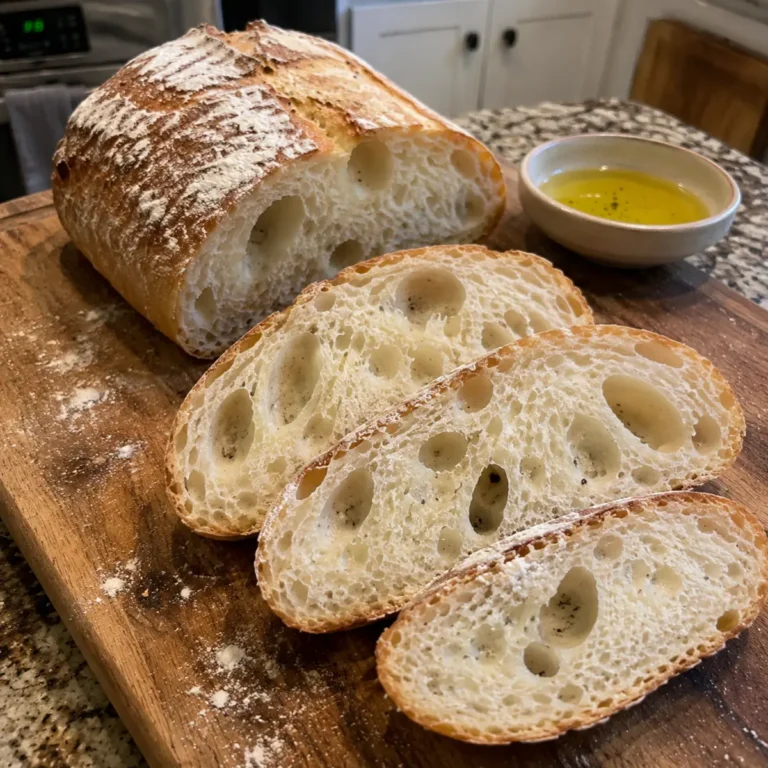
Some days, you need a little kitchen therapy, and nothing works quite like the scent of homemade bread rising in the oven. That first slice of homemade white bread—still warm, with a hint of golden crisp on the edges—can make even an ordinary weekday feel special. If you’re craving soft, fluffy sandwich bread or something to take your morning toast up a notch, homemade white bread is pure comfort, start to finish.
This is the kind of loaf that disappears fast in my house. The crust is tender, the crumb is light, and the flavor is just right for sweet or savory toppings. Whether you’re a beginner or just looking for a reliable classic, making this white bread is actually easier than you think.
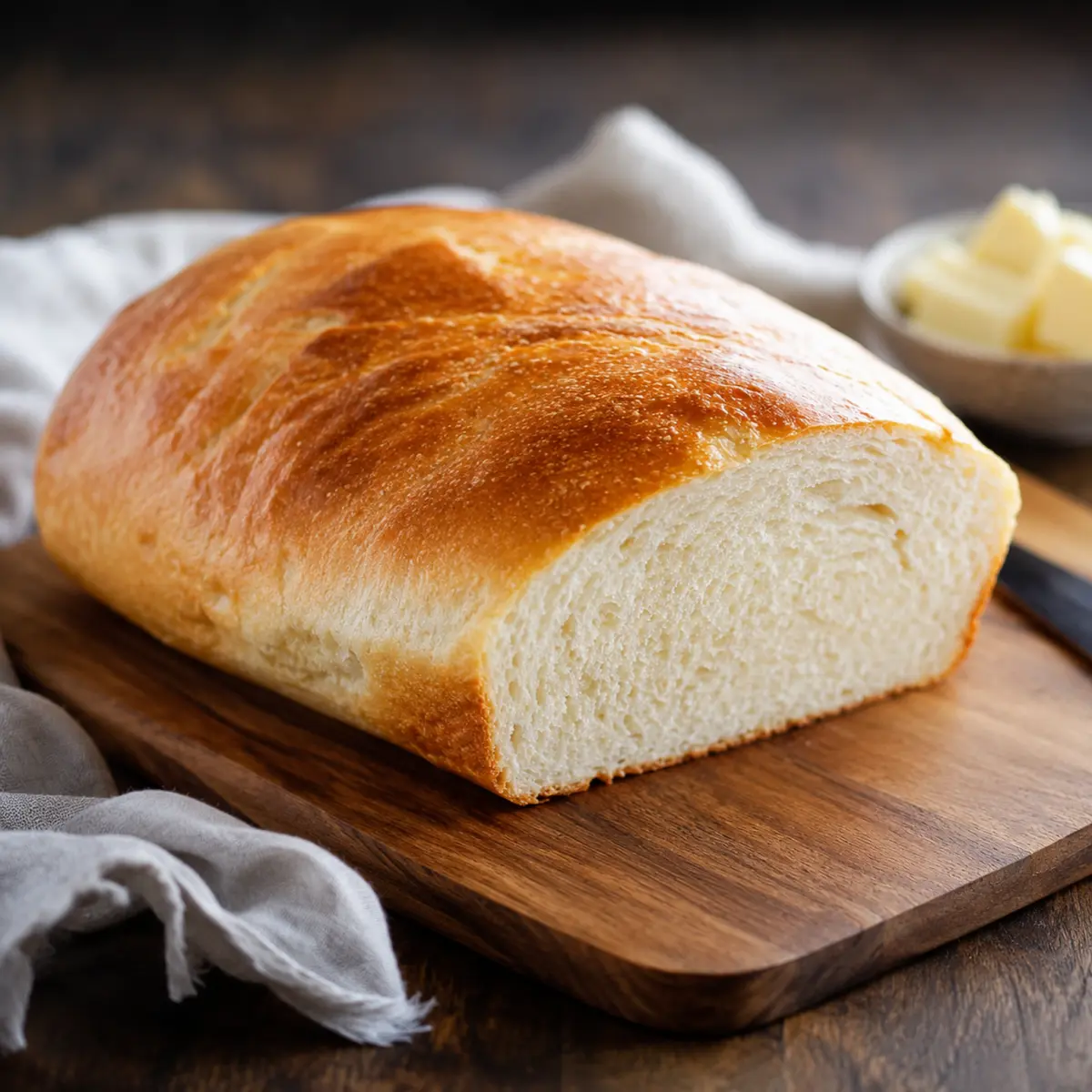
What Makes This Homemade White Bread Irresistible
There’s an unmatched satisfaction in baking homemade white bread from scratch. Each loaf is pillowy and light, with subtle buttery notes and just enough chew. This bread fits every mood—perfect for classic PB&J, hearty grilled cheese, or simply enjoyed with a swipe of butter. The crumb is soft (but never gummy), slicing cleanly for sandwiches or thick toast.What really sets this recipe apart is its accessibility—this is homemade bread anyone can make, even on your first try. The dough comes together quickly, and while there’s some waiting for the rises, your hands-on time is short. The golden crust develops gently, never too tough, so every bite is tender.
Plus, the aroma is unbeatable: warm, toasty, and instantly inviting to anyone wandering into the kitchen. If you love bread that’s as good for weekday lunches as it is for a weekend brunch, you’ll find yourself making this again and again.
The Essential Ingredients for Homemade White Bread
Let’s break down the simple but important ingredients you’ll need to create a loaf of homemade white bread that’s soft, golden, and ultra-satisfying.- Flour – The structure and heart of your bread; all-purpose flour gives a tender crumb and classic white bread texture.
- Active dry yeast – The powerhouse behind that beautiful rise and airy structure; make sure it’s fresh for maximum lift.
- Warm water – Activates the yeast and binds ingredients. Temperature matters—aim for pleasantly warm, not hot.
- Sugar – Feeds the yeast and adds a hint of sweetness to balance the savoriness.
- Salt – Brightens and builds overall flavor; don’t skip it.
- Unsalted butter (softened) – Adds a tender crumb and slight richness; soft butter blends best into the dough.
See the recipe card below for the full list of ingredients and measurements.
Step-by-Step: How to Make Homemade White Bread
Now onto the fun part—transforming these humble ingredients into an inviting, golden loaf. Here’s how the process flows from start to finish:- Activate the yeast by stirring warm water and sugar together in a bowl, then sprinkle the yeast over the surface. Wait until the top looks frothy and bubbly—this is your sign the yeast is alive and ready.
- Combine the flour and salt in a large mixing bowl, blending thoroughly for even seasoning and soft bread from edge to edge.
- Add the softened butter and the activated yeast mixture to your dry mix. Stir until it comes together as a rough dough—don’t worry about perfection at this stage.
- Turn the dough onto a floured counter and knead, working it until it’s smooth, elastic, and no longer sticky. The dough will resist at first, then relax and become silkier with each turn.
- Place the dough into a greased bowl, cover it, and tuck it somewhere warm. Let it double in size—the dough should look puffy and relaxed, and pressing it gently with a fingertip will leave a slight dent.
- Punch down the risen dough gently to release air. Shape it into a loaf, slipping it into a greased pan, and cover again. After its second rise, it should be peeking above the rim—soft and billowy.
- Bake in a preheated oven until the crust is deep golden brown and the loaf sounds hollow when tapped. Your kitchen will fill with an irresistible aroma, and the surface will look shiny and beautifully browned.
Keys to Soft, Fluffy Bread & Trouble-Free Baking
Homemade white bread is forgiving, but a few tried-and-true tips ensure success with every batch. Don’t rush the yeast—if it doesn’t foam, start over with fresh yeast and water at the right temperature. Use fresh ingredients and never guess at the salt or sugar—these tiny amounts work magic on flavor and texture.Kneading by hand is therapeutic, but if you’ve got a stand mixer with a dough hook, it’ll work wonders and save your arms. Keep an eye on the rise: too short, and the bread will be dense; too long, and it could collapse. Always look for dough that’s doubled and airy but not overblown.
- Warm—not hot—water is crucial for happy yeast.
- Knead until smooth and elastic for the perfect crumb.
- Let it rise until it visibly doubles—this is your best cue for timing.
- Bake until golden, not blond—the color brings flavor.
- If your crust browns fast, loosely tent foil over the top for the last ten minutes.
Easy Variations, Pairings, and Serving Ideas
Homemade white bread is endlessly versatile. For a twist, you can add a handful of chopped herbs (like rosemary or chives) or sprinkle seeds on top for more crunch and flavor. Swap out a portion of the flour for whole-wheat if you like a heartier loaf—just know the texture will change slightly.Pair thick slices of fresh bread with soups, stews, or a classic eggs-and-bacon breakfast. It’s also perfect for sandwiches—from simple tomato and mayo to loaded grilled cheese. If you want a treat, slice and toast until golden, then slather with jam or nut butter.
Try making croutons or even a bread pudding with leftovers—not a crumb will go to waste.
Storing and Making Ahead: Tips for Perfect Freshness
Nothing beats homemade bread on the day it’s baked, but careful storage helps you savor it longer. Let your loaf cool completely before wrapping it in a clean kitchen towel or storing it in a bread box—it’ll stay fresh at room temperature for a couple of days.For longer storage, slice and freeze portions in a tightly sealed bag. Thaw at room temperature or pop straight into the toaster. This dough isn’t designed for making completely ahead, but you can bake, cool, and freeze for up to a month. Avoid storing bread in the fridge—it dries it out quickly.
FAQs about Homemade White Bread
Can I use instant yeast instead of active dry yeast for homemade white bread?
Yes, you can substitute instant yeast for active dry yeast in homemade white bread. Use the same amount and mix it directly with the dry ingredients—no need to activate first. The rise time may be a bit shorter, so watch the dough closely.
Why is my homemade white bread dense or heavy?
Dense bread is usually caused by under-kneading or not allowing enough rise time. Make sure your dough becomes smooth and elastic, and always let it double in size before shaping. Old yeast or water that’s too hot or cool can also affect the rise.
How should I store leftover homemade white bread?
Let the bread cool completely before storing it in a bread box or wrapping in a towel. If you want to keep it fresh longer, slice and freeze in portions. Avoid the fridge, as it can make the bread dry and stale.
Can I add seeds or herbs to my homemade white bread?
Absolutely! You can knead in herbs or sprinkle seeds on top before baking for extra flavor and texture. Make sure extras are finely chopped or pressed in lightly so they don’t interfere with the rise.
Bring Home the Warmth of Homemade White Bread
There’s something grounding about pulling a fresh loaf of homemade white bread from your oven. The aroma alone draws everyone to the kitchen, promising comfort in every slice. Once you discover how simple and satisfying it is to bake, you’ll want to keep this bread in regular rotation.Let that golden loaf cool just enough, then dive in—soft crumb, gentle warmth, and a taste of pure homemade goodness.
What To Try Next
Baking your own bread opens the door to trying these tasty, comforting dishes that complement your fresh loaf perfectly.
- Spaghetti Garlic Bread — shares that lovely homemade bread and garlic flavor combo.
- Creamy Garlic Cheesy Chicken Potatoes — a cozy meal perfect for dipping your fresh bread into.
- Mini Cheese Danish — a sweet baked treat that pairs well with the warmth of your homemade bread.
Recommended Equipment

Lodge Wanderlust Cabin Cast Iron Combo Cooker
Ideal for baking soft, fluffy bread loaves
View on Amazon
Ninja CRISPi Portable Fryer 3.8L
Useful for roasting ingredients alongside bread baking
View on Amazon
KitchenAid Grain Mill / Attachment for Buckwheat and Grains
Grinds homemade bread flour for better baking
View on Amazon* As an Amazon Associate, I earn from qualifying purchases. There is no extra cost to you.

Easy Homemade White Bread
Ingredients
Method
- Activate the yeast by mixing warm water with sugar and sprinkling yeast on top. Let sit for 5 minutes until frothy.
- In a large bowl, whisk together flour and salt.
- Add melted butter and activated yeast mixture to dry ingredients; stir until combined.
- Knead the dough on a floured surface for about 8 minutes until smooth and elastic.
- Place in a greased bowl, cover, and let rise in a warm area for about one hour or until doubled in size.
- Punch down the dough gently, shape it into a loaf, place in a greased pan, cover again, and let rise for an additional 30 minutes.
- Preheat oven to 375°F (190°C) and bake for 25-30 minutes or until golden brown.